Ramrod
overview
The Ramrod on the Hudson River waterfront was one of New York’s most popular jeans and leather bars in the 1970s and 1980s.
It was the site of one of Greenwich Village’s most notoriously homophobic crimes in 1980.
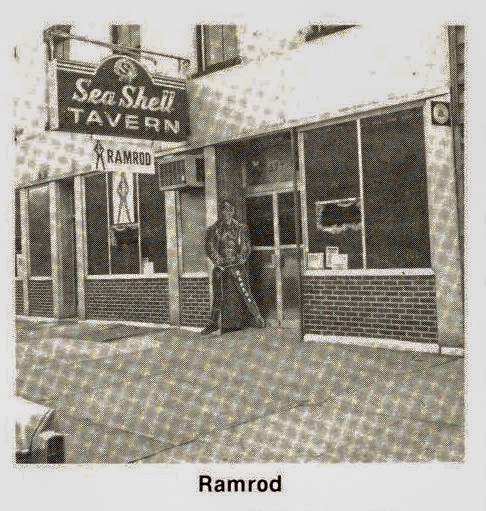
Ramrod, appearing in the March-April 1975 issue of Ciao!
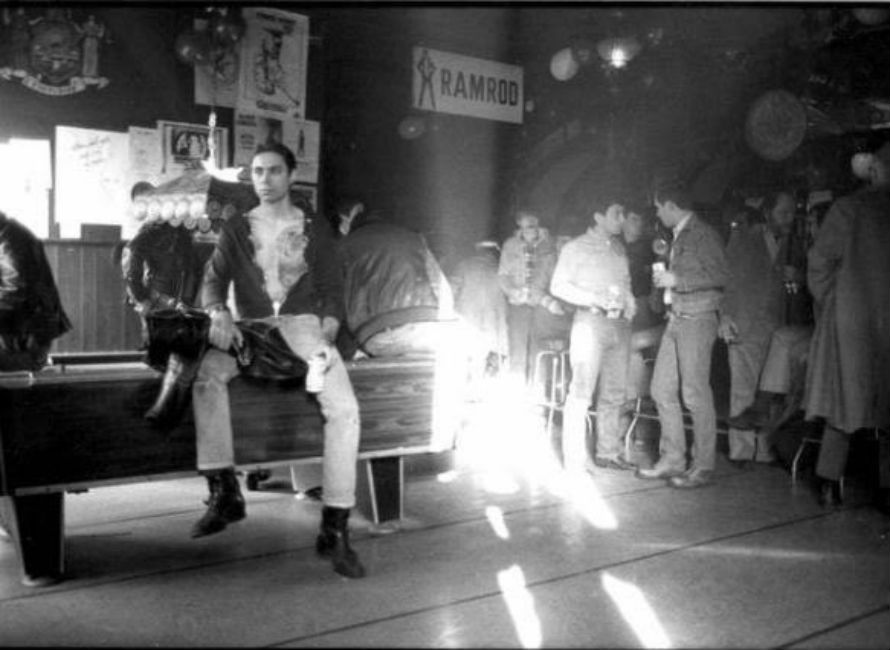
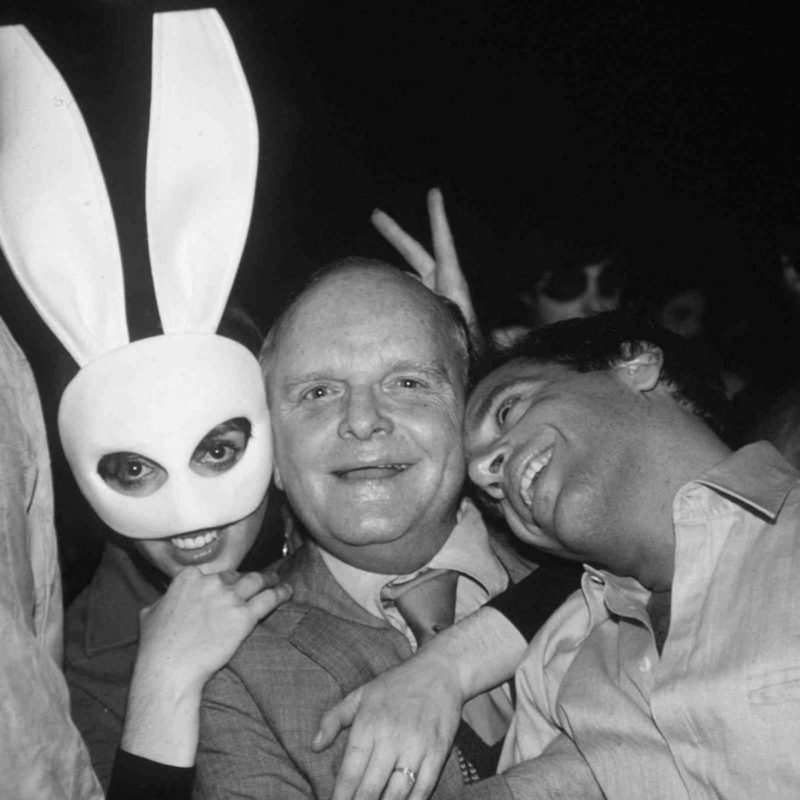
Interior of Ramrod, c. 1976. Photo by Leonard Fink. Courtesy of the LGBT Community Center National History Archive.
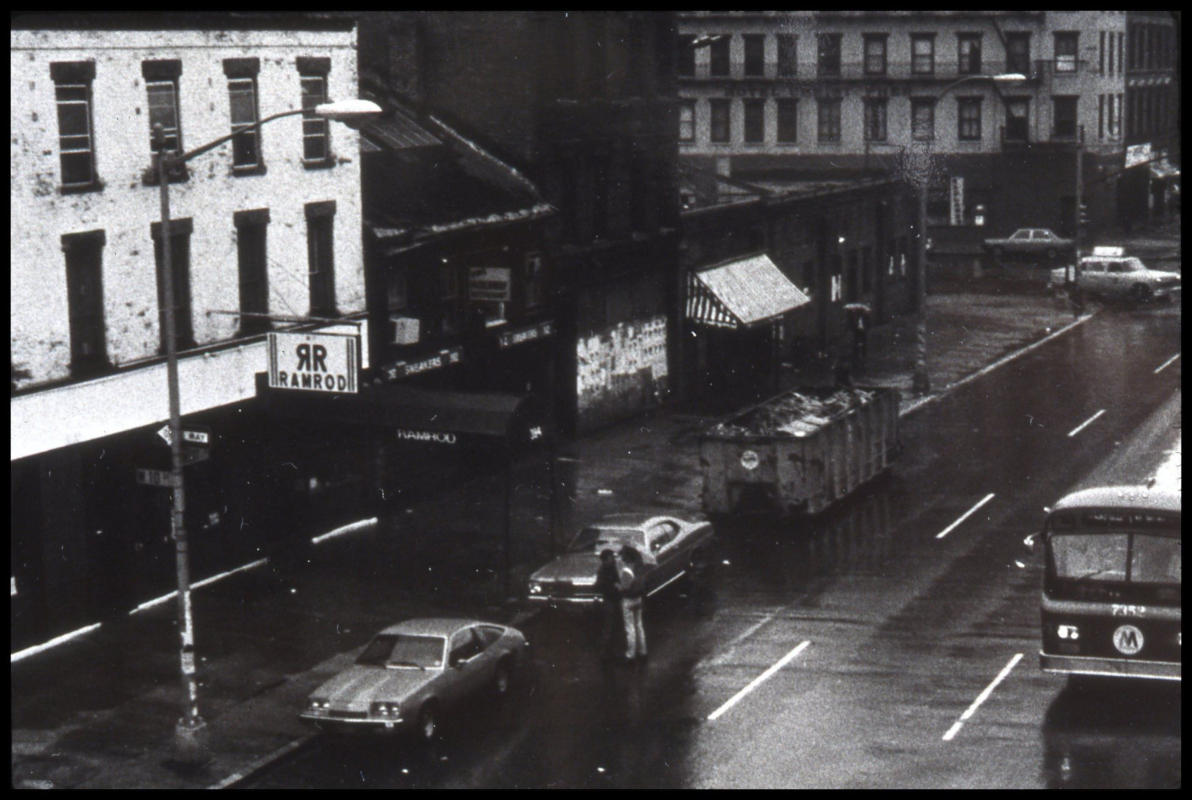
Exterior of Ramrod, n.d. Source: Allan Berube Papers, Archives of Sexuality & Gender.
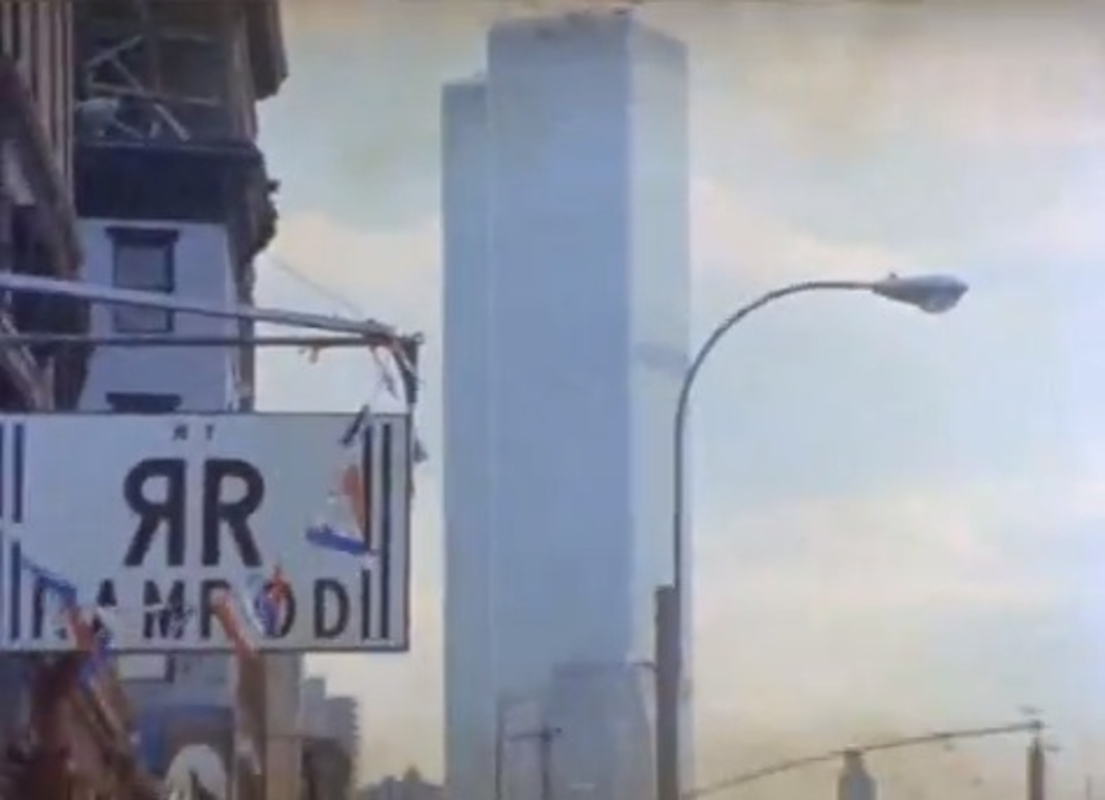
Screen capture of the Ramrod sign from the movie Outrageous, 1977, Source: Jeremiah's Vanishing New York.
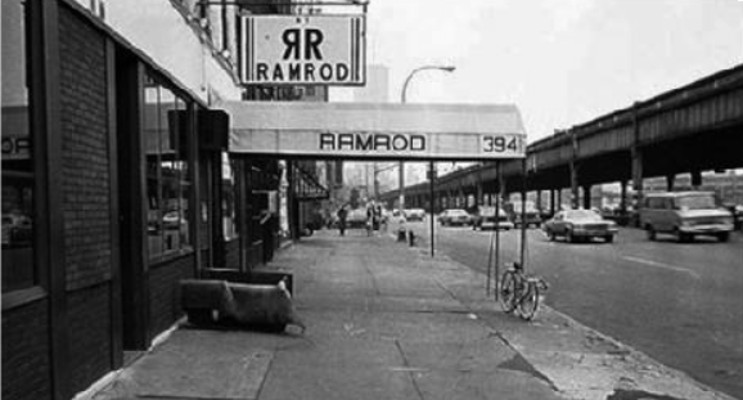
Ramrod entrance, c. 1978. Photo by Richard Oszust, Source unknown.
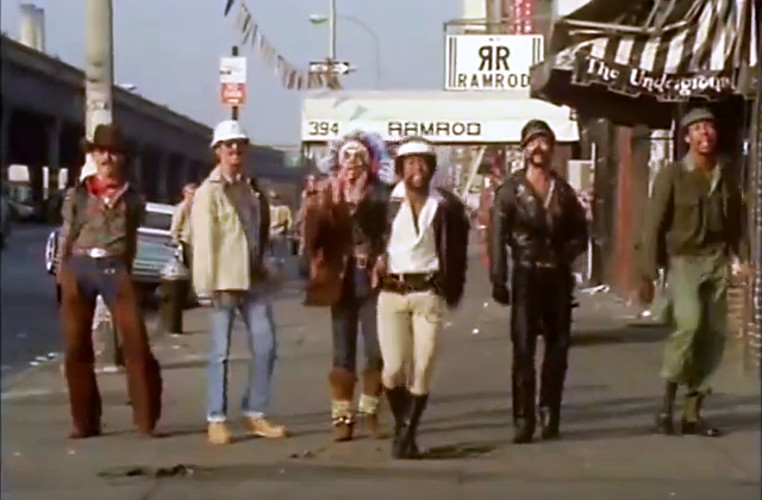
Village People in front of the Ramrod, 1978. From the music video for “YMCA.” Source unknown.
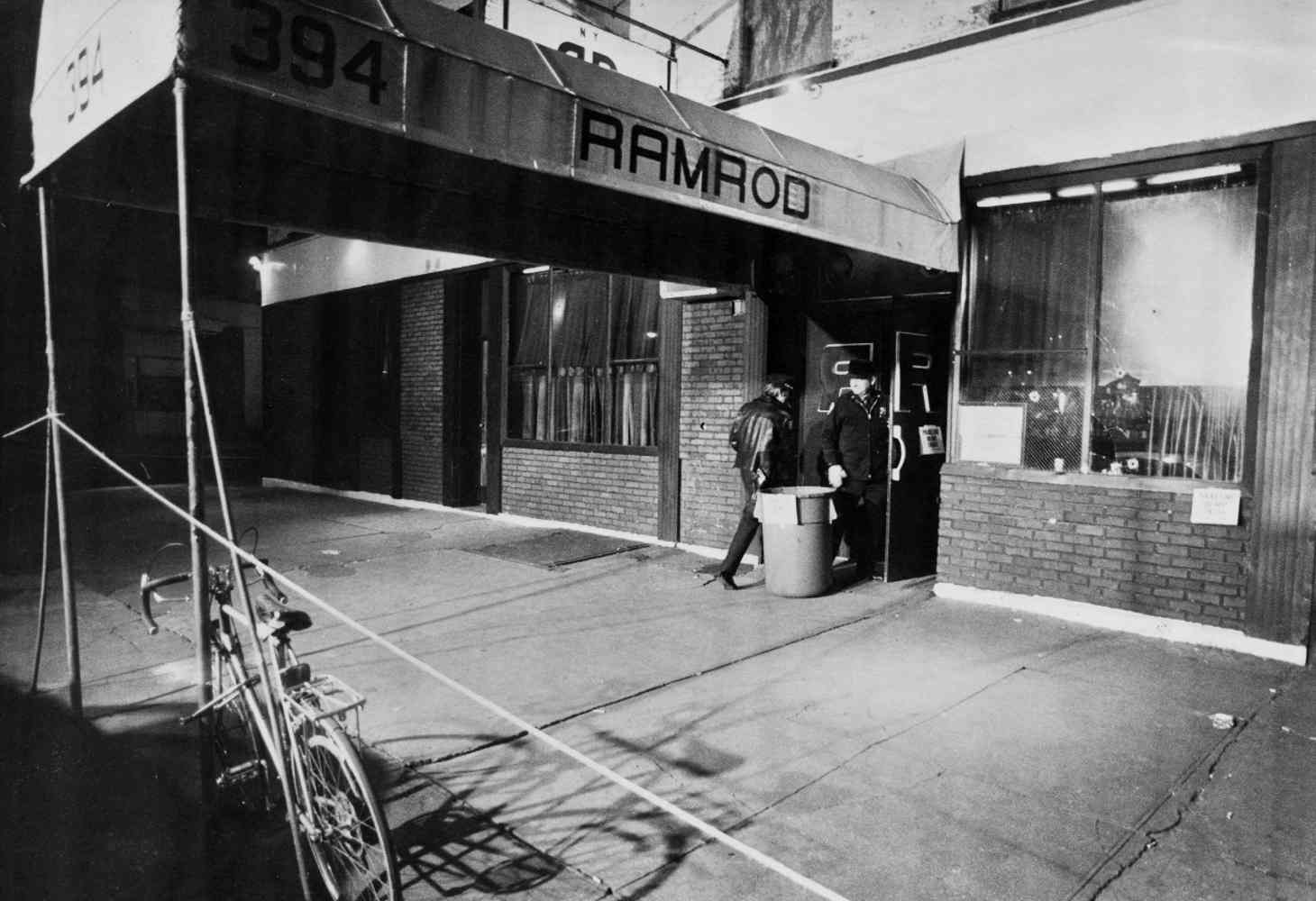
Ramrod, 1980. Photo by Jeffrey D. Smith. Source unknown.
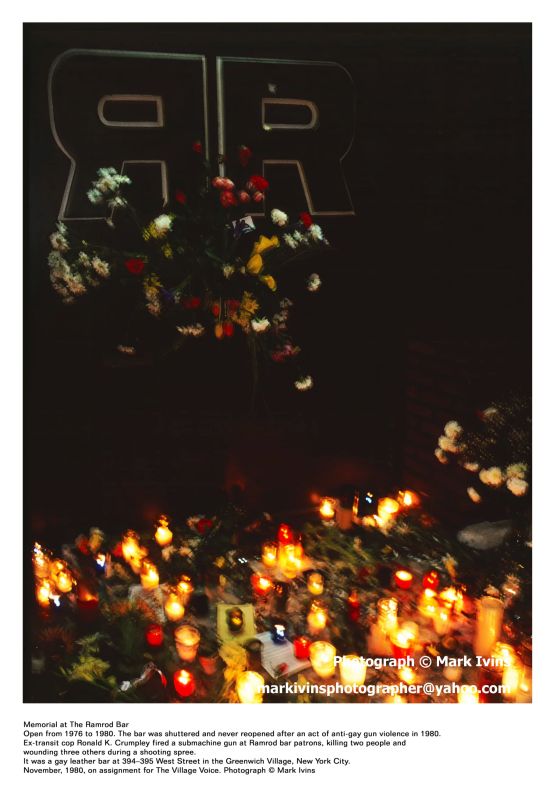
Memorial outside Ramrod, 1980. Courtesy photograph © Mark Ivins.
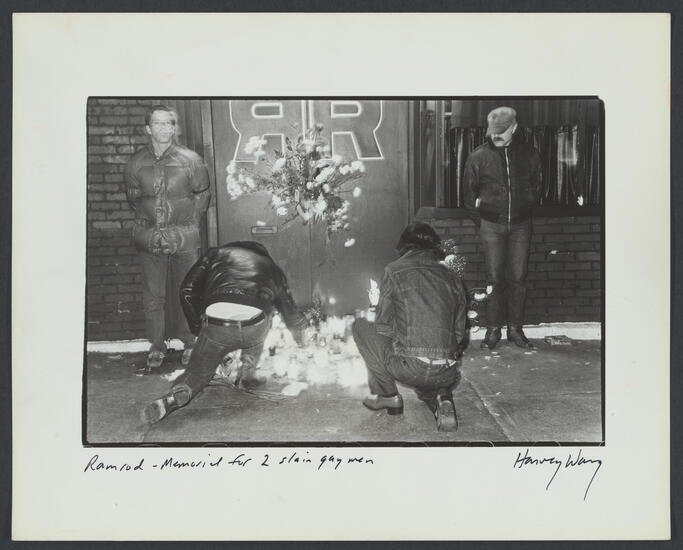
"Ramrod - Memorial for 2 slain gay men," 1980. Photo by Harvey Wang. Courtesy of the Museum of the City of New York, 2019.11.116.
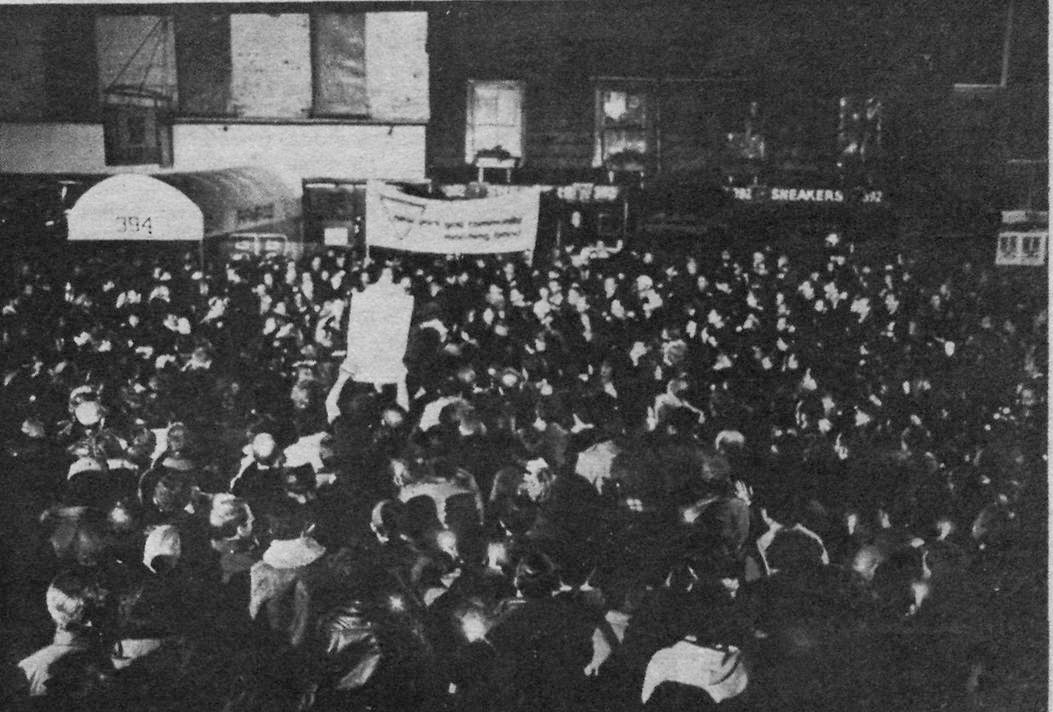
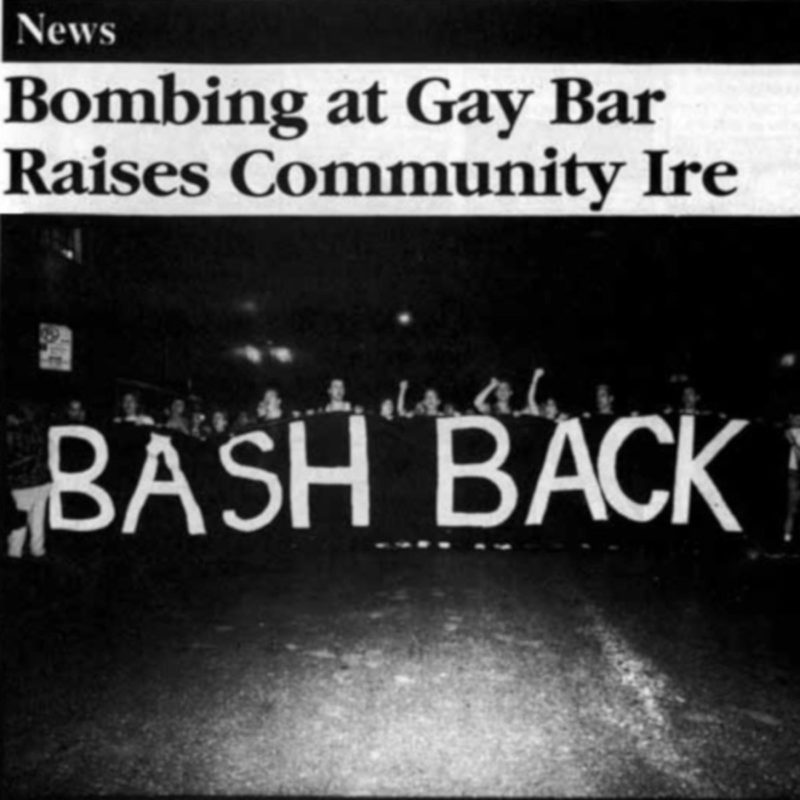
Candlelight procession at the Ramrod, November 20, 1980. Photo by Bettye Lane. Source: Gay City News.
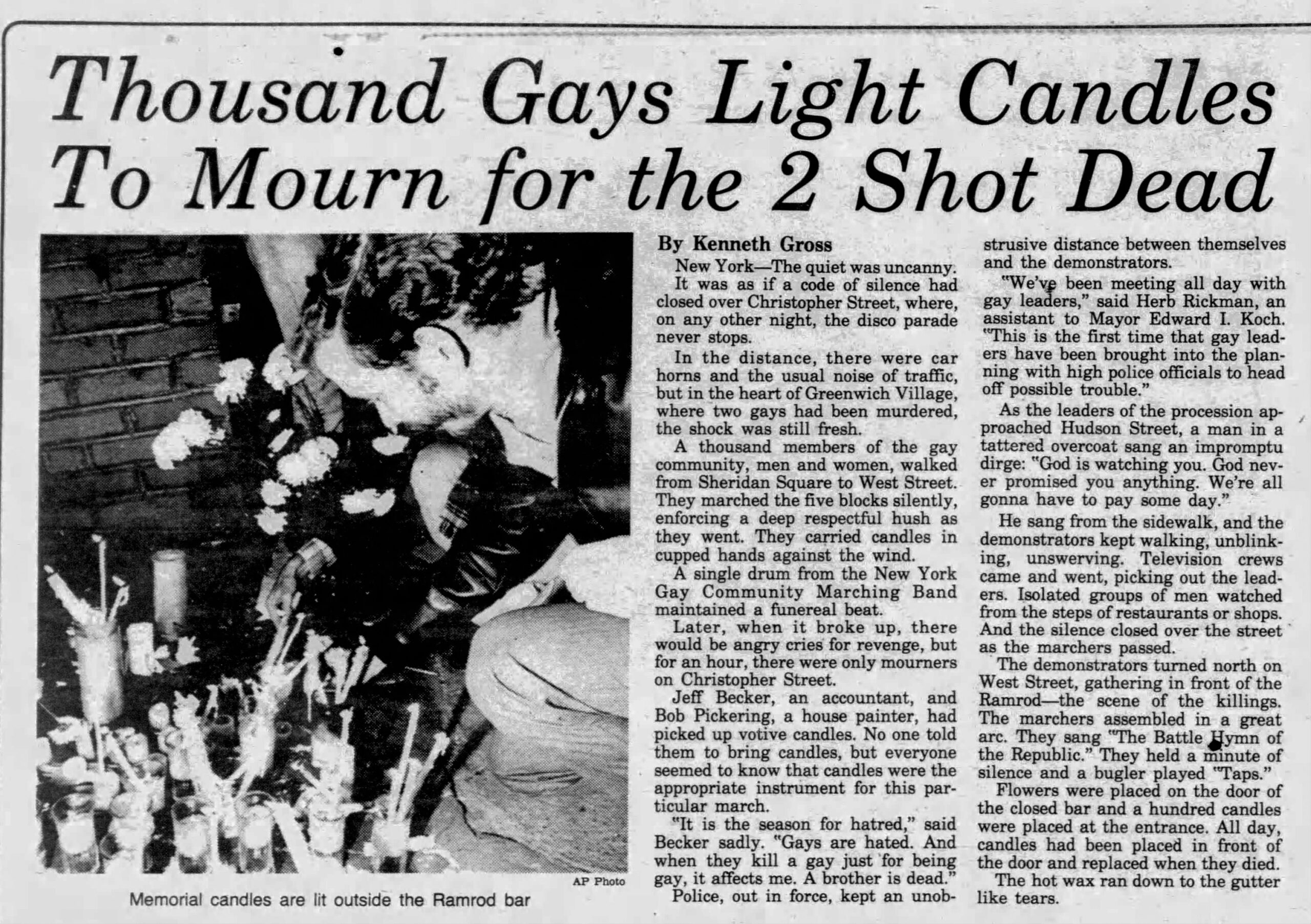
Newspaper article in Newsday, November 21, 1980.
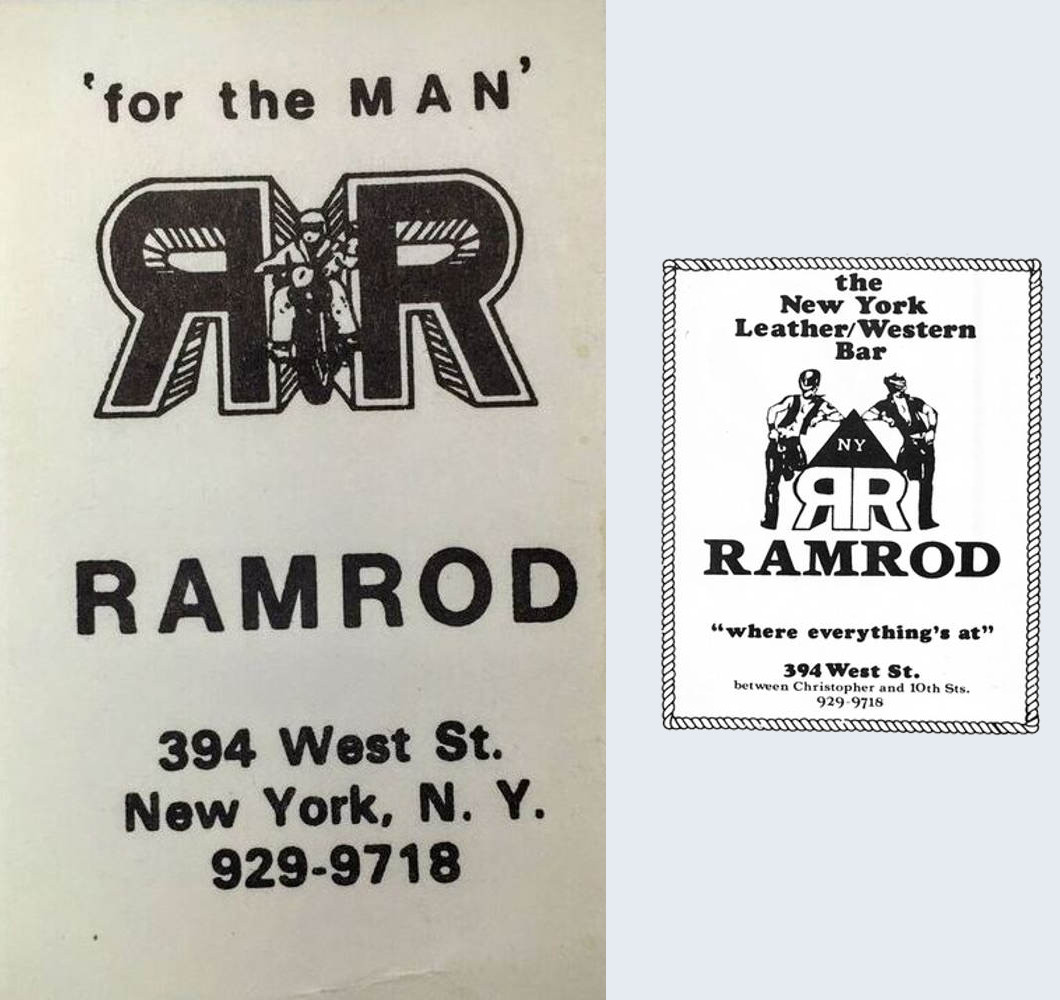
Ramrod bar card and ad. Card is part of the collection of the NYC LGBTQ Historic Sites Project.
History
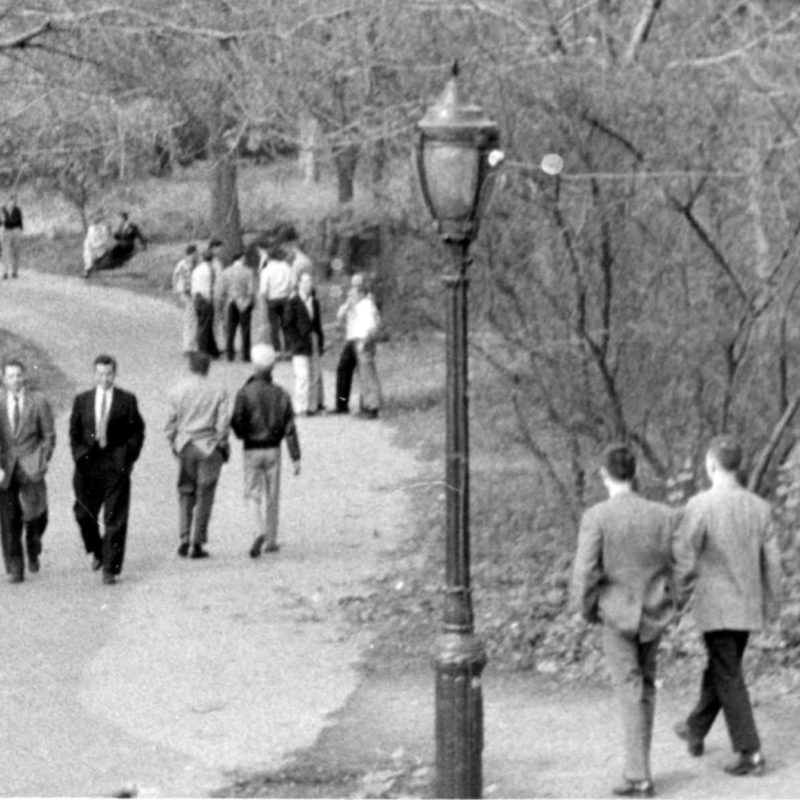
The June 1969 rebellion by patrons of the Stonewall bar against police harassment helped to launch a renewed and more activist national gay rights movement. It also helped make Christopher Street the social and cultural center of New York’s LGBTQ community. By the early 1970s, the western end of Christopher Street and the adjacent blocks along West and Weehawken Streets, long established with seamen-oriented waterfront taverns, became a nucleus for bars catering to a gay male clientele.
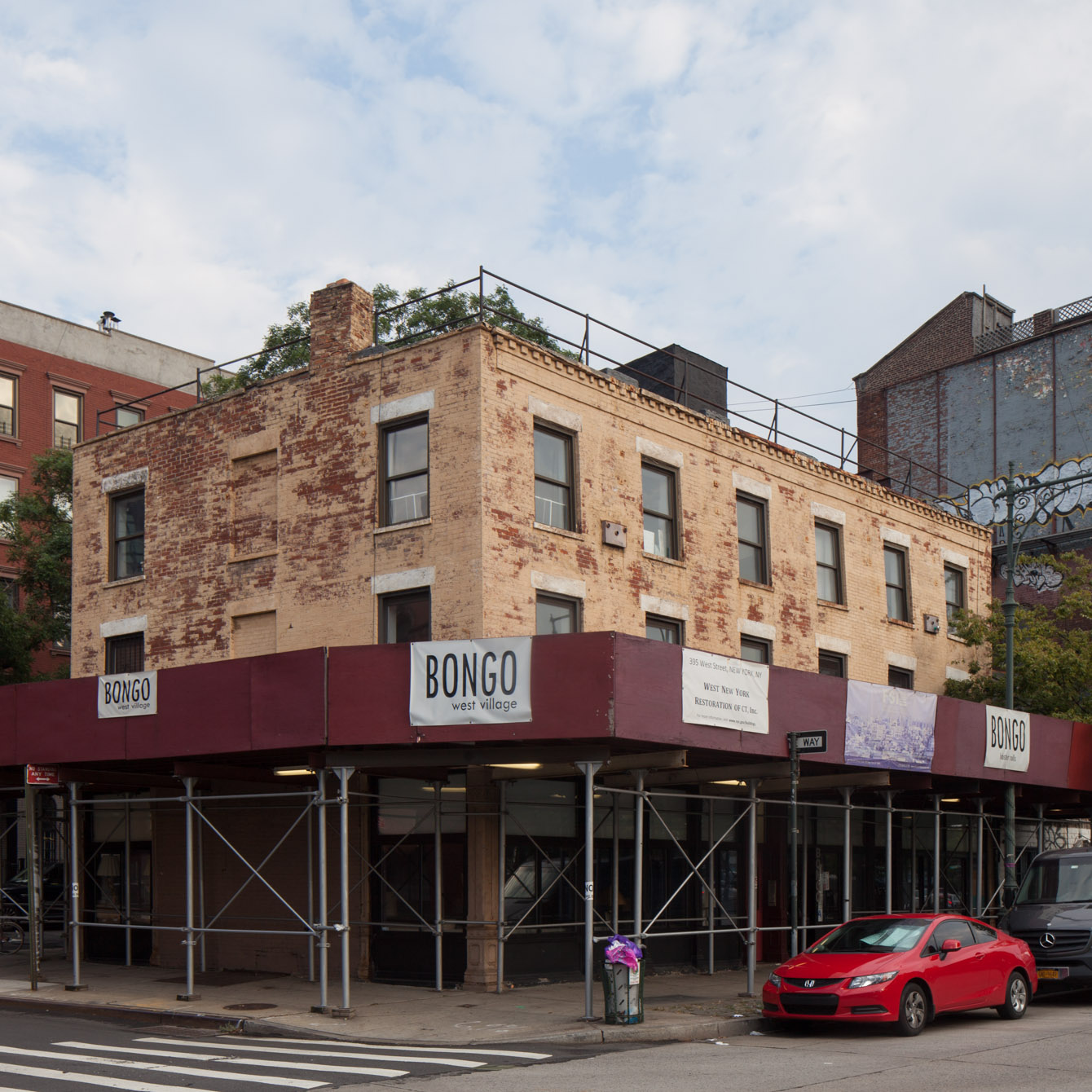
One of New York’s most popular jeans and leather bars was the Ramrod, which operated here from 1973 to 1986. This location had been the Sea Shell Tavern since 1960. The Sea Shell was listed in the gay Damron Guide in 1974 and as the Ramrod in 1975. Photographs show that signs with both names were hanging in front of the building in 1973-75.
The Ramrod was the site of one of Greenwich Village’s most notoriously homophobic hate crimes, when, on November 19, 1980, a former transit officer fired an Uzi, a compact automatic gun, along the block and into the bar, killing two men and wounding six others. The two men were Jorg Wenz, a 24-year-old Dutch immigrant working as a doorman at the Ramrod, and Vernon Kroening, a 32-year-old organist at St. Joseph’s Roman Catholic Church. The perpetrator openly expressed his hatred of gay men, but was found not guilty due to insanity and was held in institutions for the rest of his life.
The LGBTQ community was traumatized by the violence of the “West Street Massacre,” as it was called by reporter Andy Humm, in a key social center of the Village. A vigil the following night at Christopher Park was followed by a candlelight procession of some 1,500 people, accompanied by a marching band, to the Ramrod.
Entry by Jay Shockley, project director (March 2017; last revised December 2025).
NOTE: Names above in bold indicate LGBT people.
Building Information
- Architect or Builder: Unknown
- Year Built: c. 1848
Sources
Bob Damron, Bob Damron’s Address Book (San Francisco: Bob Damron Enterprises, 1974-1986).
Daniel Hurewitz, Stepping Out: Nine Walks Through New York City’s Gay and Lesbian Past (New York: Henry Holt & Co., 1997).
David W. Dunlap, “New York’s Own Anti-Gay Massacre, Now Barely Remembered,” The New York Times, June 15, 2016.
Jay Shockley, Weehawken Street Historic District Designation Report (New York: Landmarks Preservation Commission, 1993).
Vincent Lee and Thomas Hanrahan, “Fearful Gays Mourn Their Dead,” Daily News, November 22, 1980, 88.
Do you have more information about this site?
This project is enriched by your participation! Do you have your own images of this site? Or a story to share? Would you like to suggest a different historic site?