Murder Location of Amanda Milan & March Against Anti-Trans Violence
overview
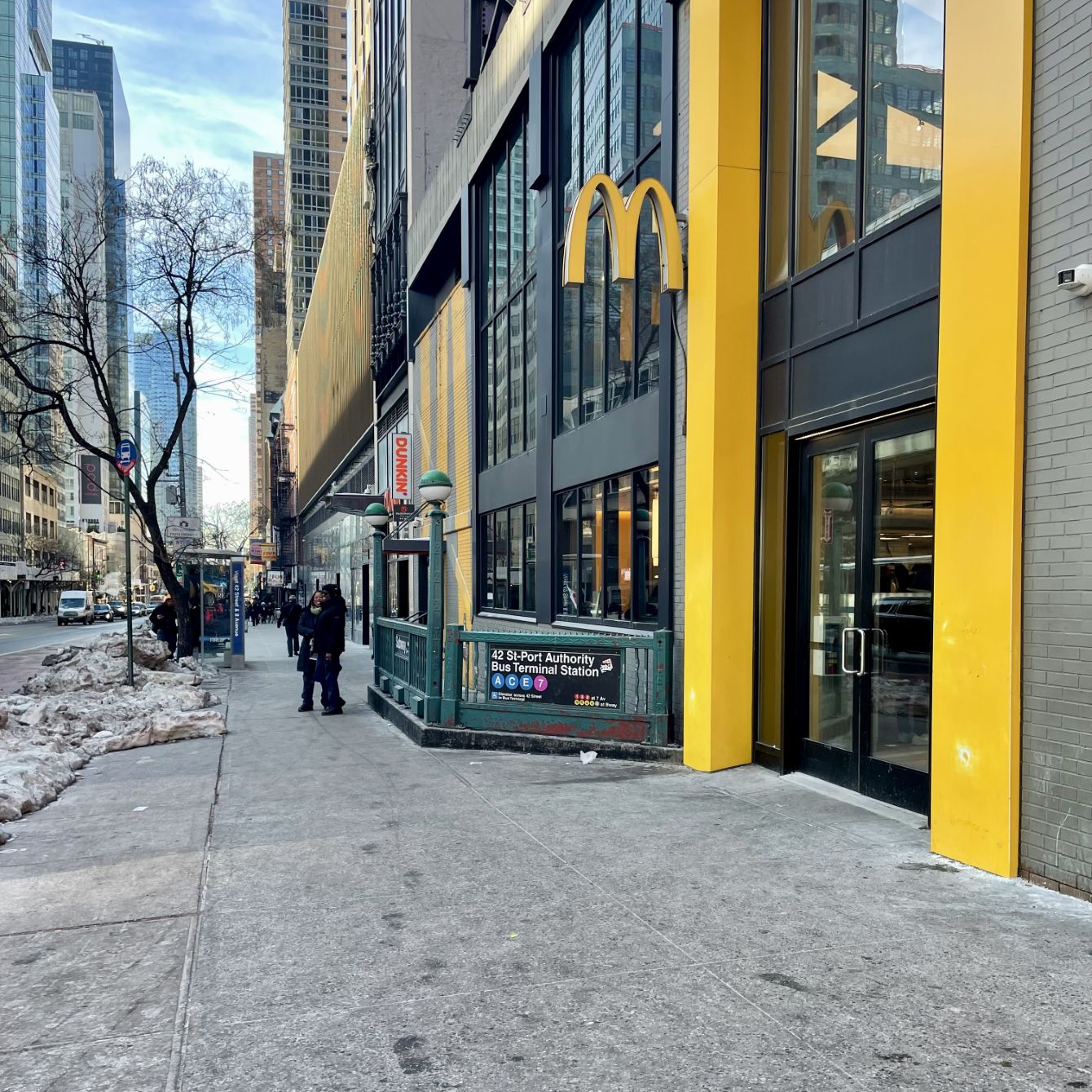
In June of 2000, Amanda Milan, a trans sex worker, was attacked and murdered outside of the Port Authority Bus Terminal, near Times Square, by three men using transphobic hate speech.
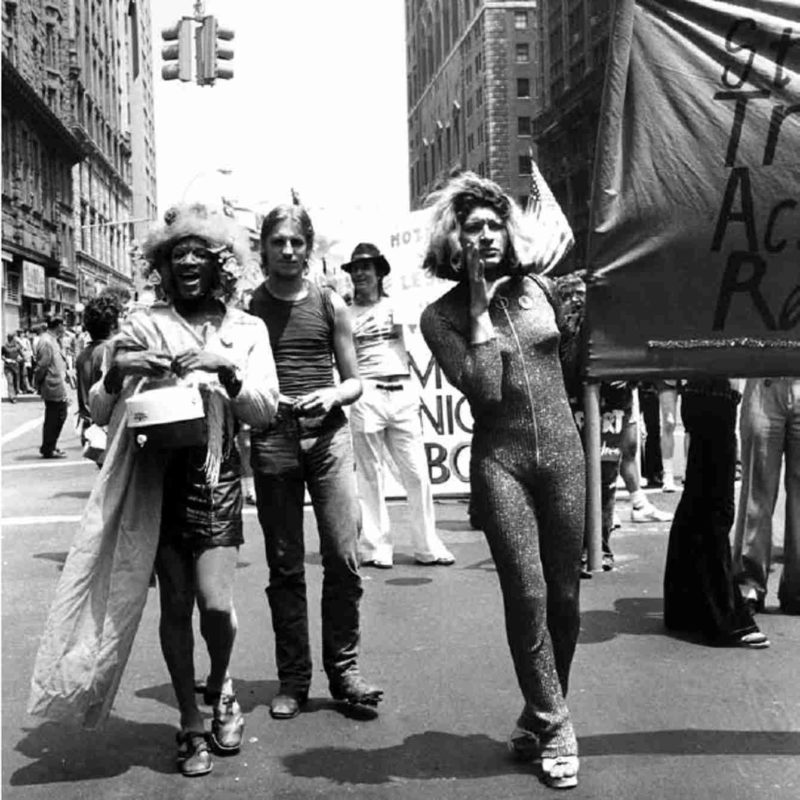
The Memorial for Amanda Milan and the March Against Anti-Trans Violence was organized a month later by her friends and family with the help of Sylvia Rivera, which led to the revival of the activist group Street Transvestite Action Revolutionaries (STAR).
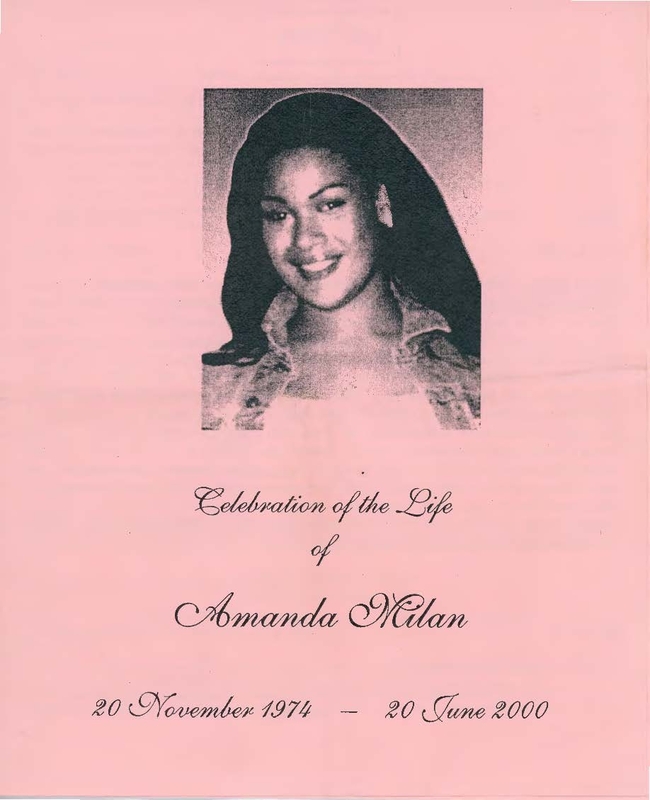
Program for Amanda Milan’s memorial, July 23, 2000. Source: Digital Transgender Archive.

Amanda Milan, n.d. Source: Remembering Our Dead.
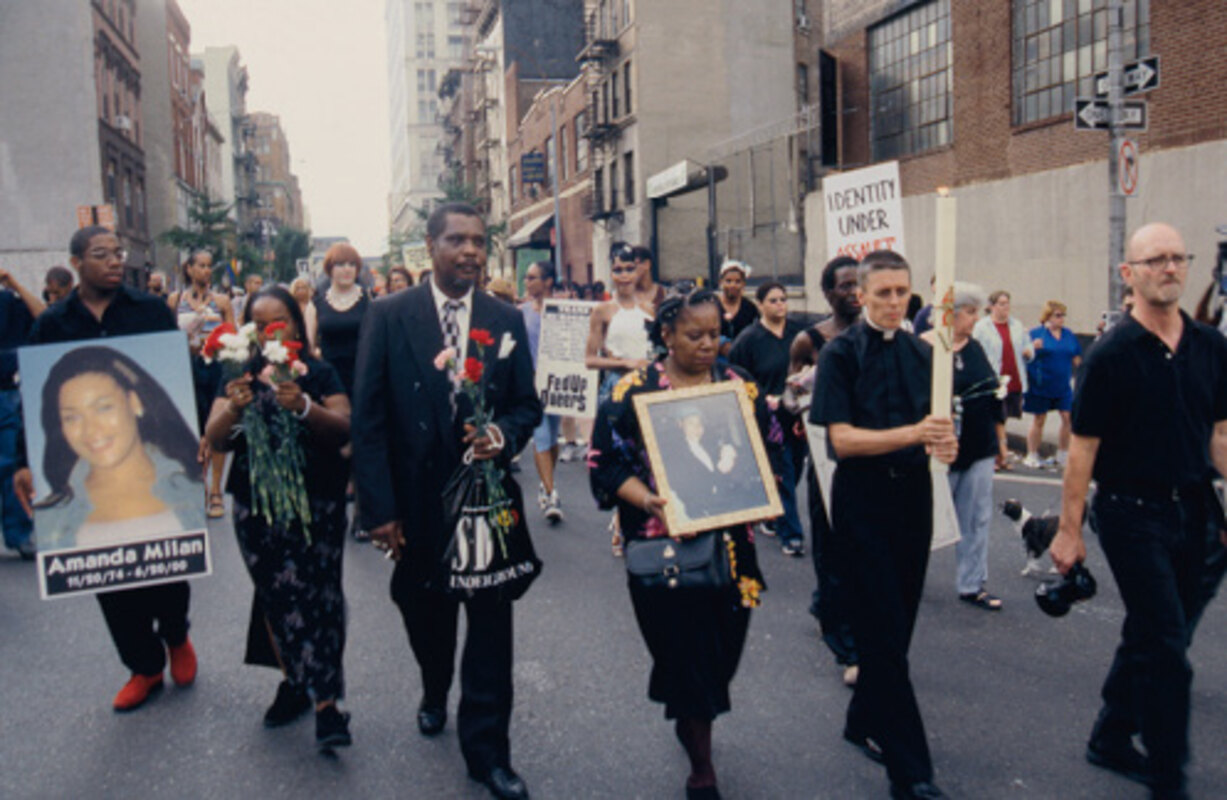
Reverend Pat Baumgartner and Amanda Milan's family lead protestors at West 36th Street and Dyer Avenue during the March Against Anti-Trans Violence, July 23, 2000. Photo by and courtesy of Mariette Pathy Allen.
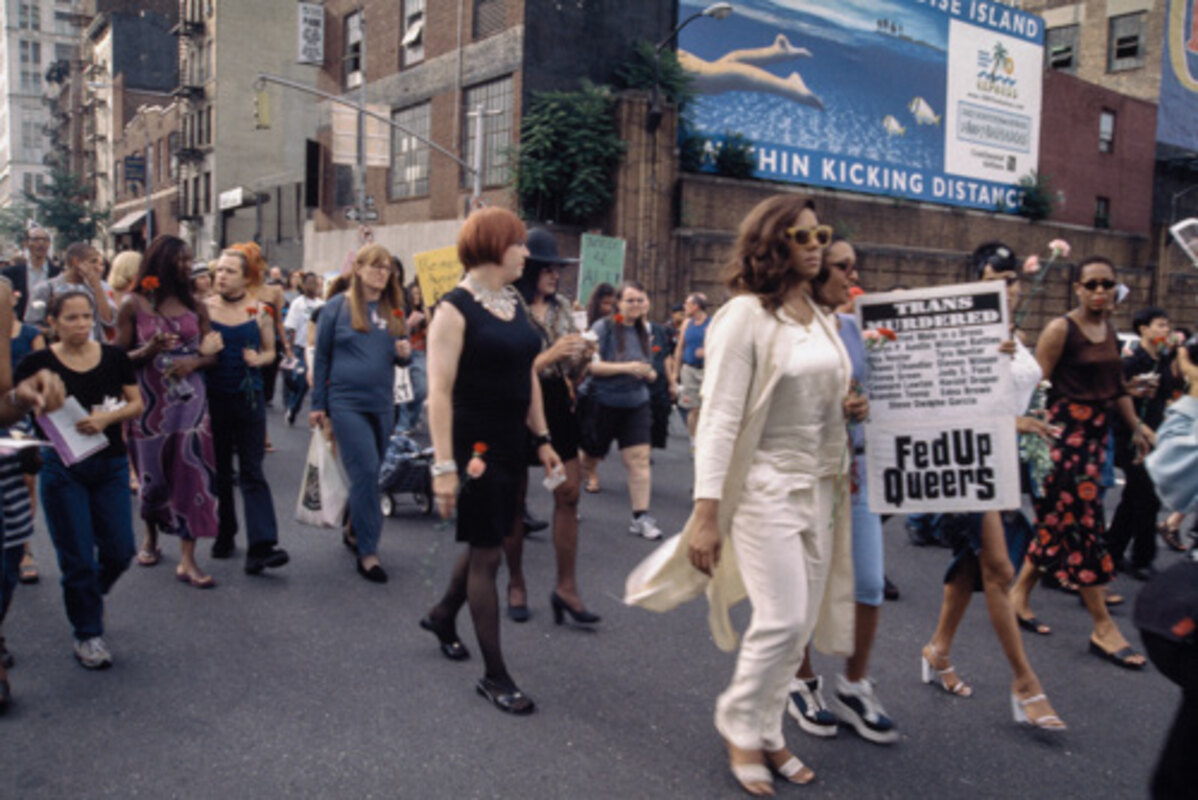
Protestors at West 36th Street and Dyer Avenue during the March Against Anti-Trans Violence, July 23, 2000. Photo by and courtesy of Mariette Pathy Allen.
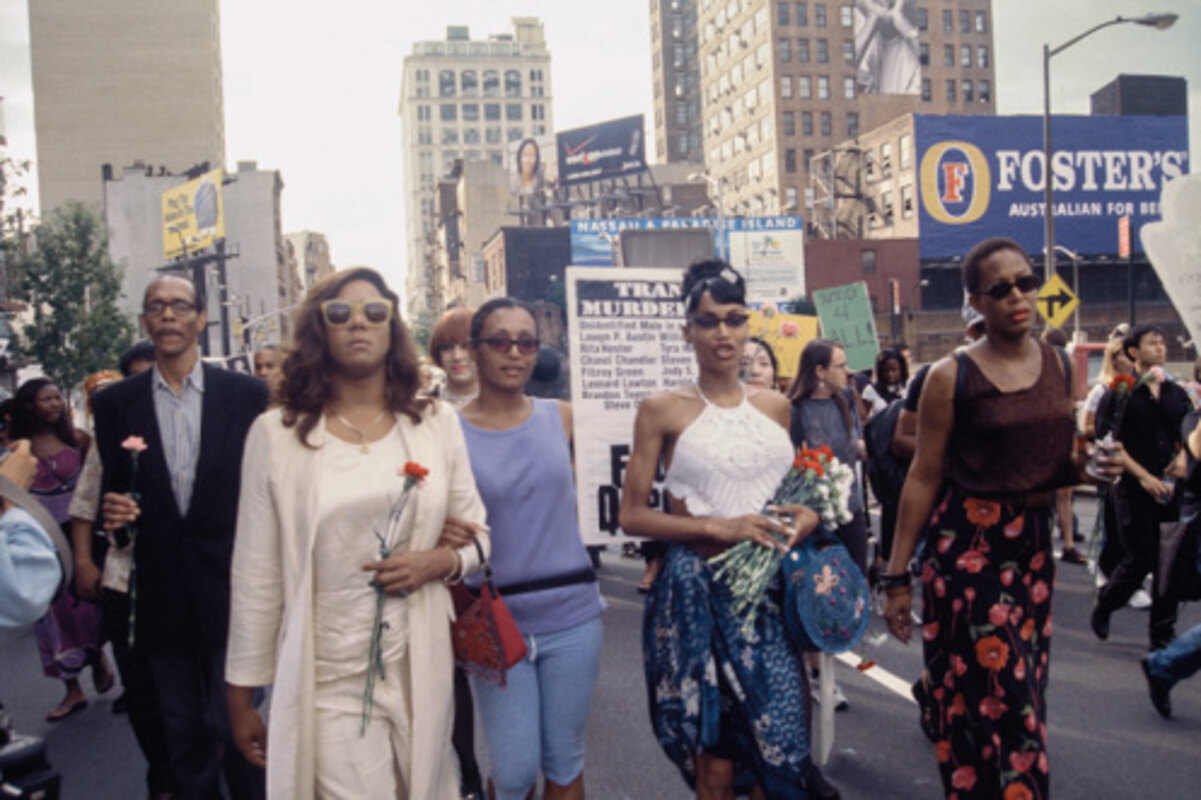
Protestors at West 36th Street and Dyer Avenue during the March Against Anti-Trans Violence, July 23, 2000. Photo by and courtesy of Mariette Pathy Allen.
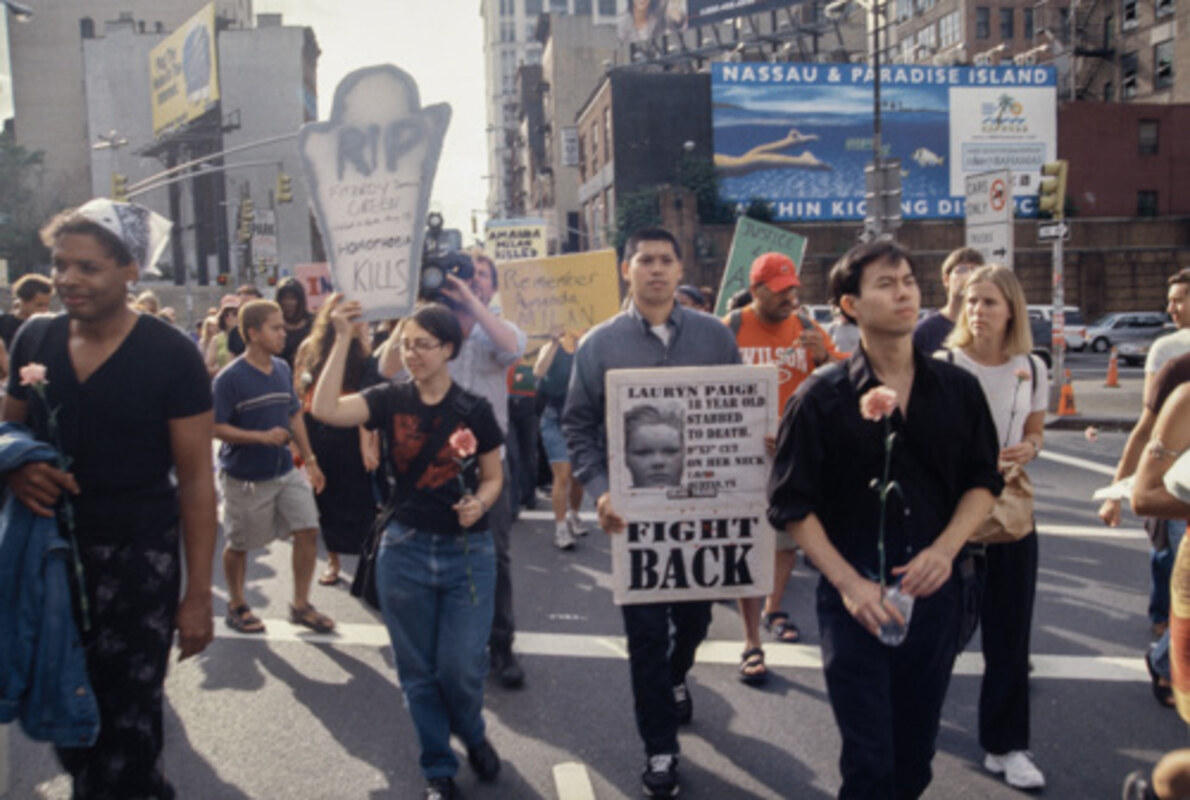
Protestors at West 36th Street and Dyer Avenue during the March Against Anti-Trans Violence, July 23, 2000. Photo by and courtesy of Mariette Pathy Allen.
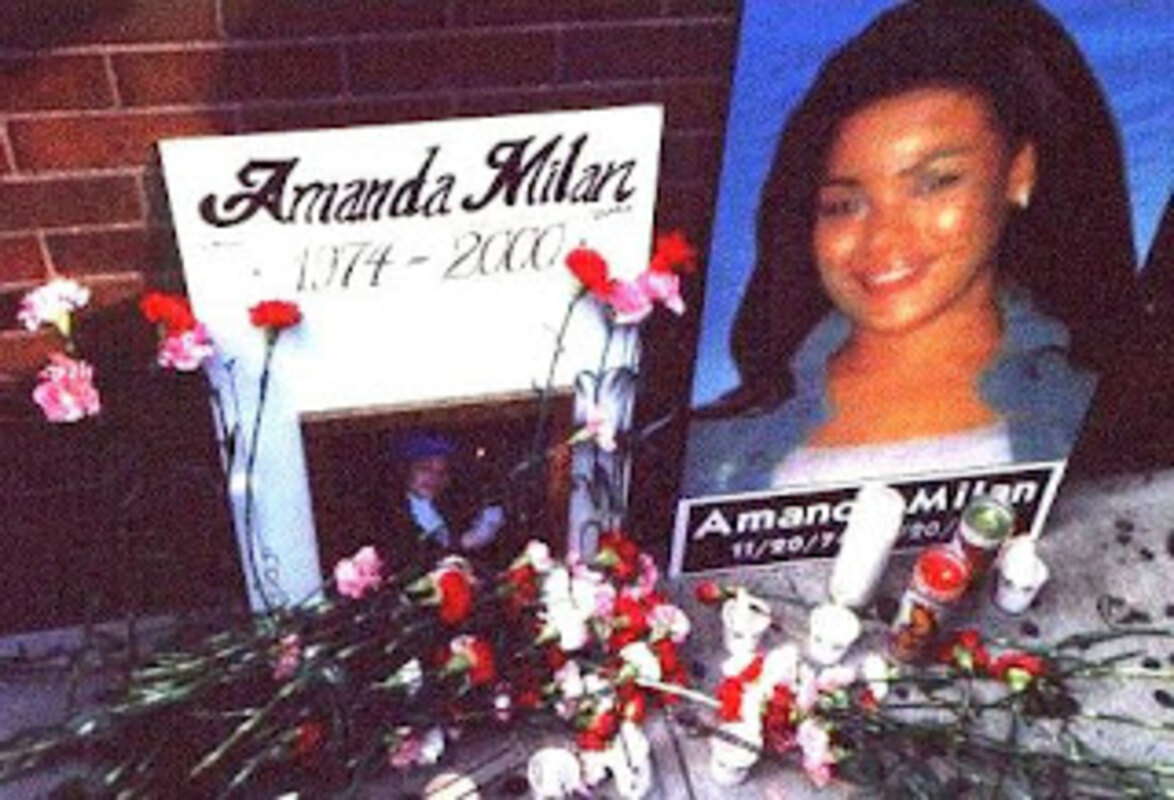
Memorial honoring Amanda Milan installed near the corner of West 42nd Street and Eighth Avenue during the March Against Anti-Trans Violence, July 23, 2000. Source: TransGriot.
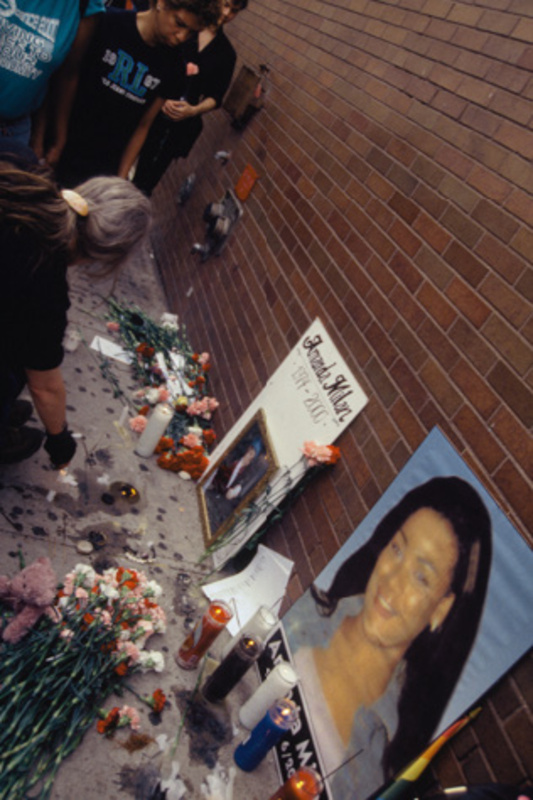
Mourners contributing to the memorial during the March Against Anti-Trans Violence, July 23, 2000. Photo by and courtesy of Mariette Pathy Allen.
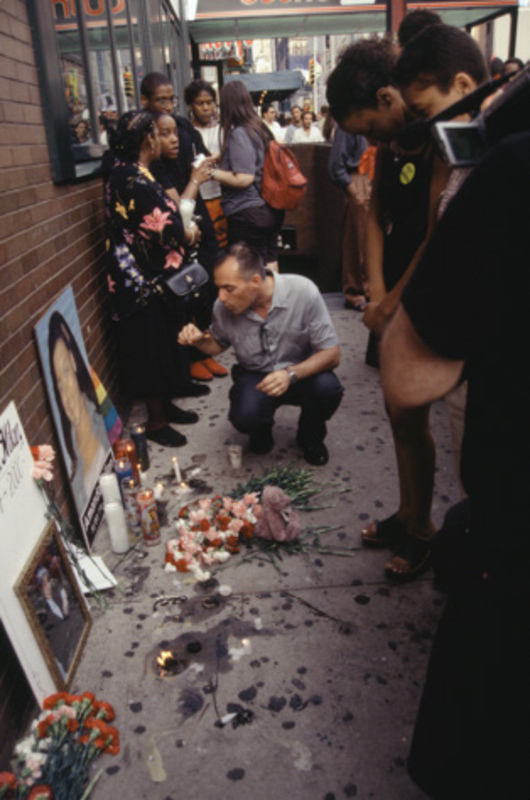
Mourners contributing to the memorial during the March Against Anti-Trans Violence, July 23, 2000. Photo by and courtesy of Mariette Pathy Allen.
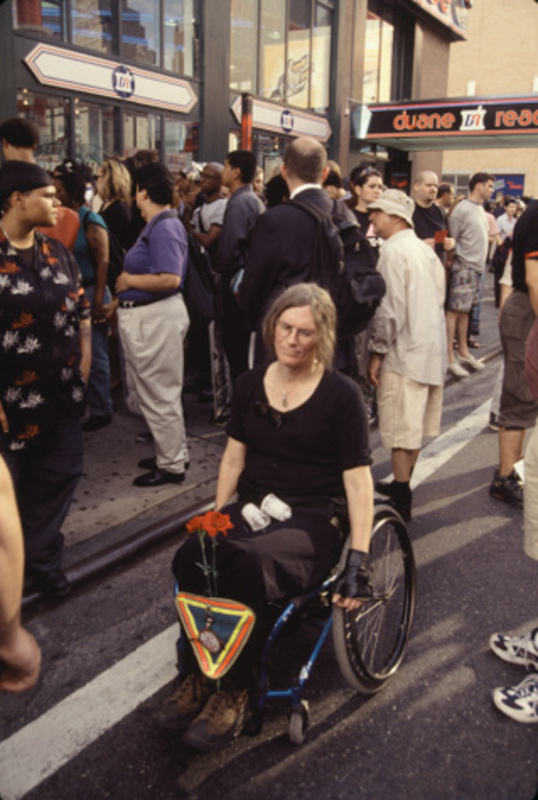
Protestors near the corner of West 42nd Street and Eighth Avenue during the March Against Anti-Trans Violence, July 23, 2000. Photo by and courtesy of Mariette Pathy Allen.
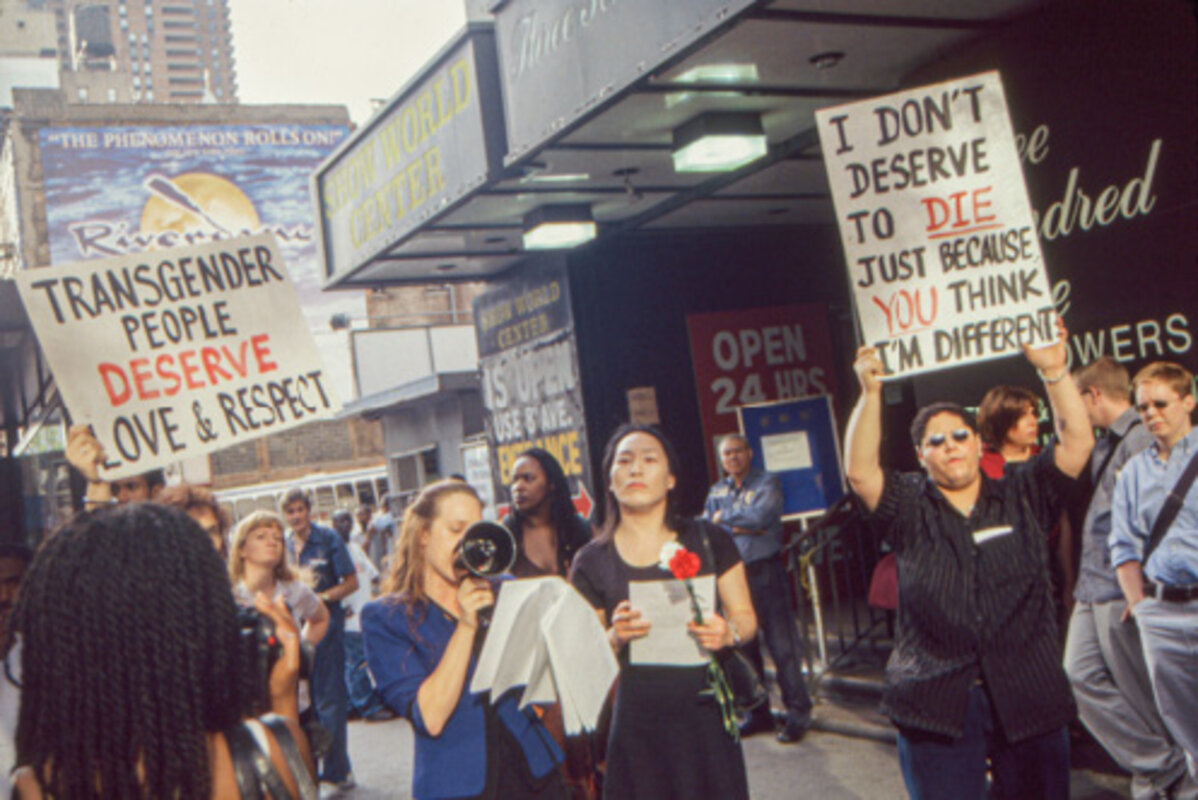
Protestors near the corner of West 42nd Street and Eighth Avenue during the March Against Anti-Trans Violence, July 23, 2000. Photo by and courtesy of Mariette Pathy Allen.
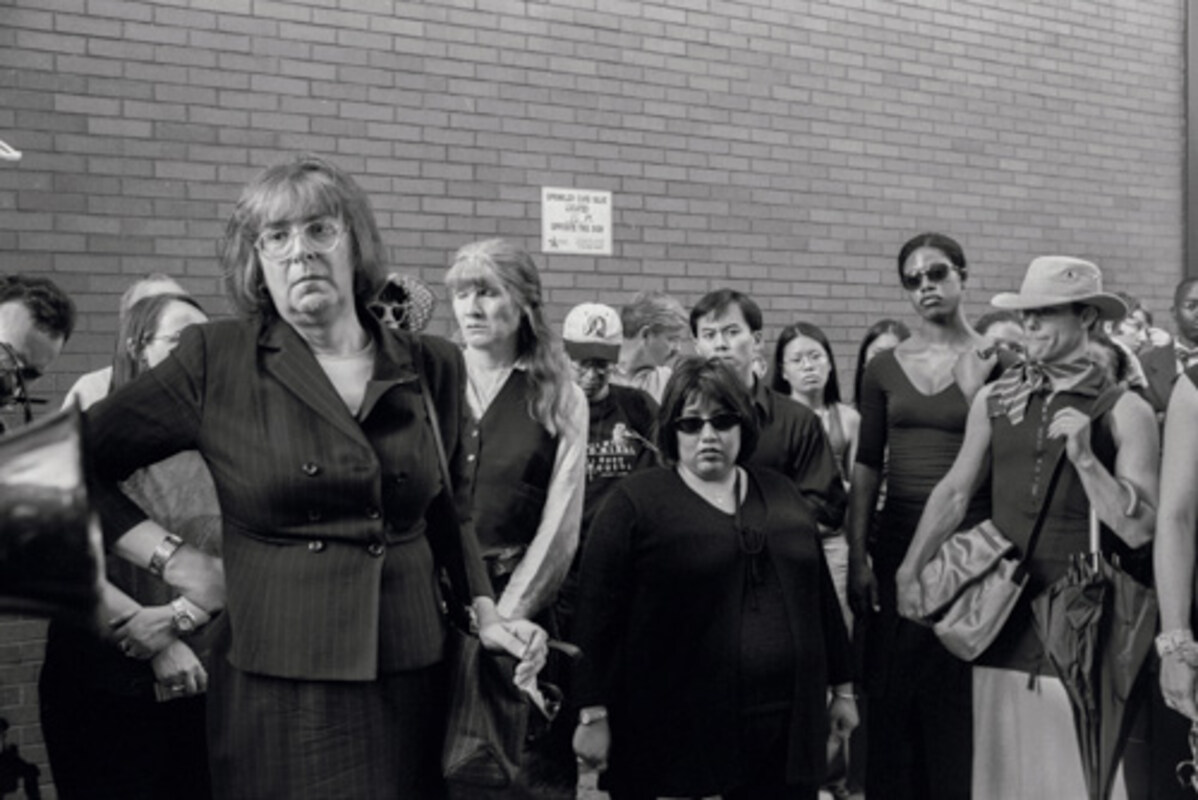
Protestors near the corner of West 42nd Street and Eighth Avenue during the March Against Anti-Trans Violence, July 23, 2000. Photo by and courtesy of Mariette Pathy Allen.

Protestors near the corner of West 42nd Street and Eighth Avenue during the March Against Anti-Trans Violence, July 23, 2000. Photo by and courtesy of Mariette Pathy Allen.
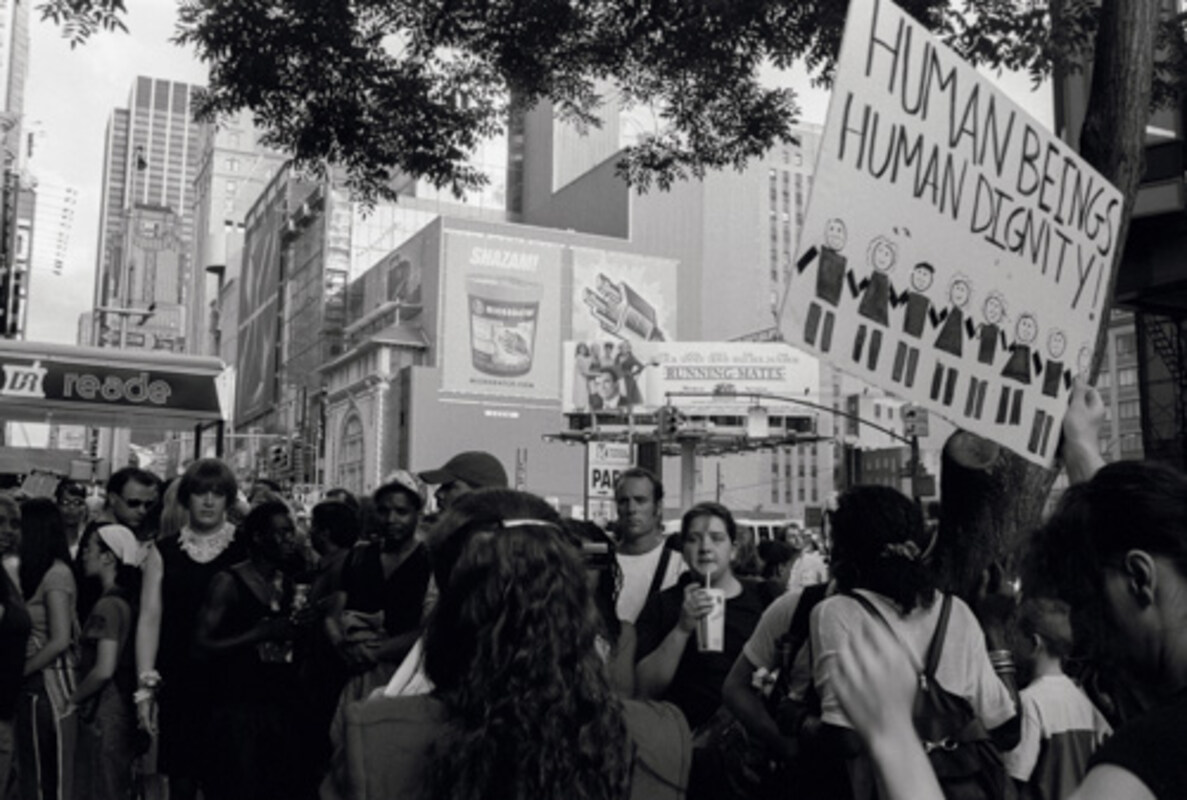
Protestors near the corner of West 42nd Street and Eighth Avenue during the March Against Anti-Trans Violence, July 23, 2000. Photo by and courtesy of Mariette Pathy Allen.
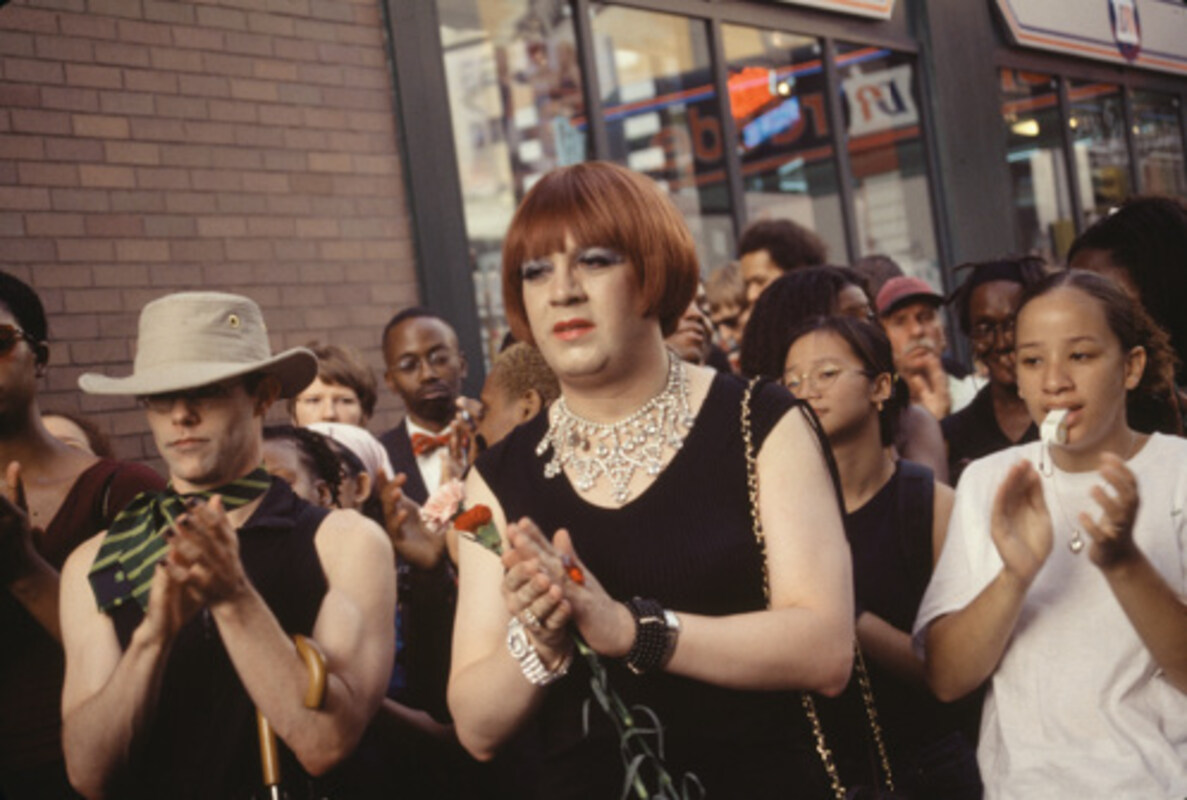
Protestors near the corner of West 42nd Street and Eighth Avenue during the March Against Anti-Trans Violence, July 23, 2000. Photo by and courtesy of Mariette Pathy Allen.
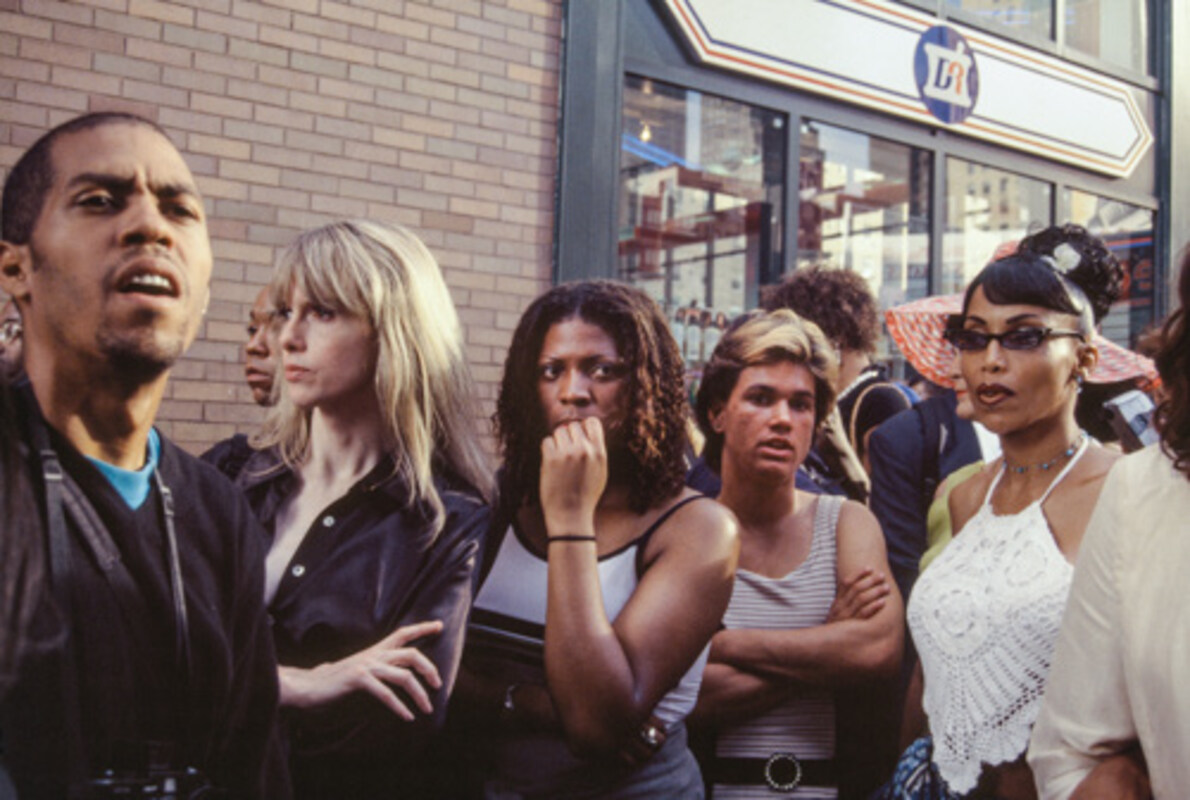
Protestors near the corner of West 42nd Street and Eighth Avenue during the March Against Anti-Trans Violence, July 23, 2000. Photo by and courtesy of Mariette Pathy Allen.
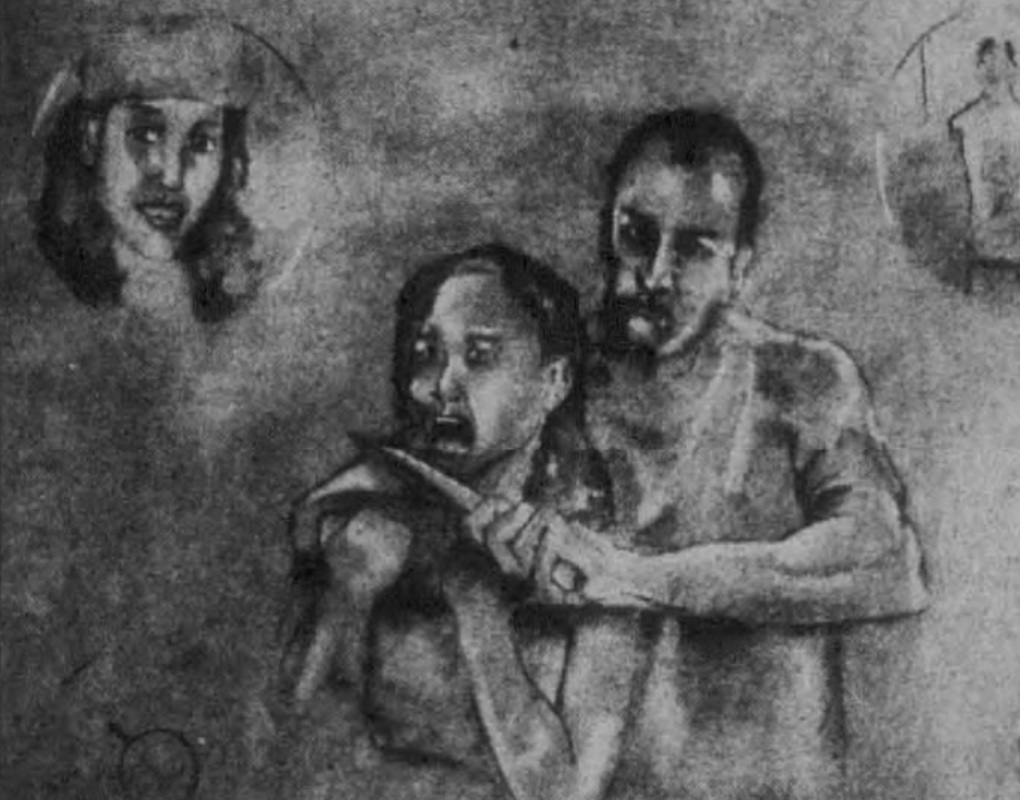
The Murder of Amanda Milan (2004), a painting by University of Missouri art student Ryan Stevens. Source: Columbian Missourian, December 12, 2004.

New York Times writeup of Milan’s murder. She is misgendered and described as a man “dressed in women’s clothing.” Source: New York Times, June 21, 2000.
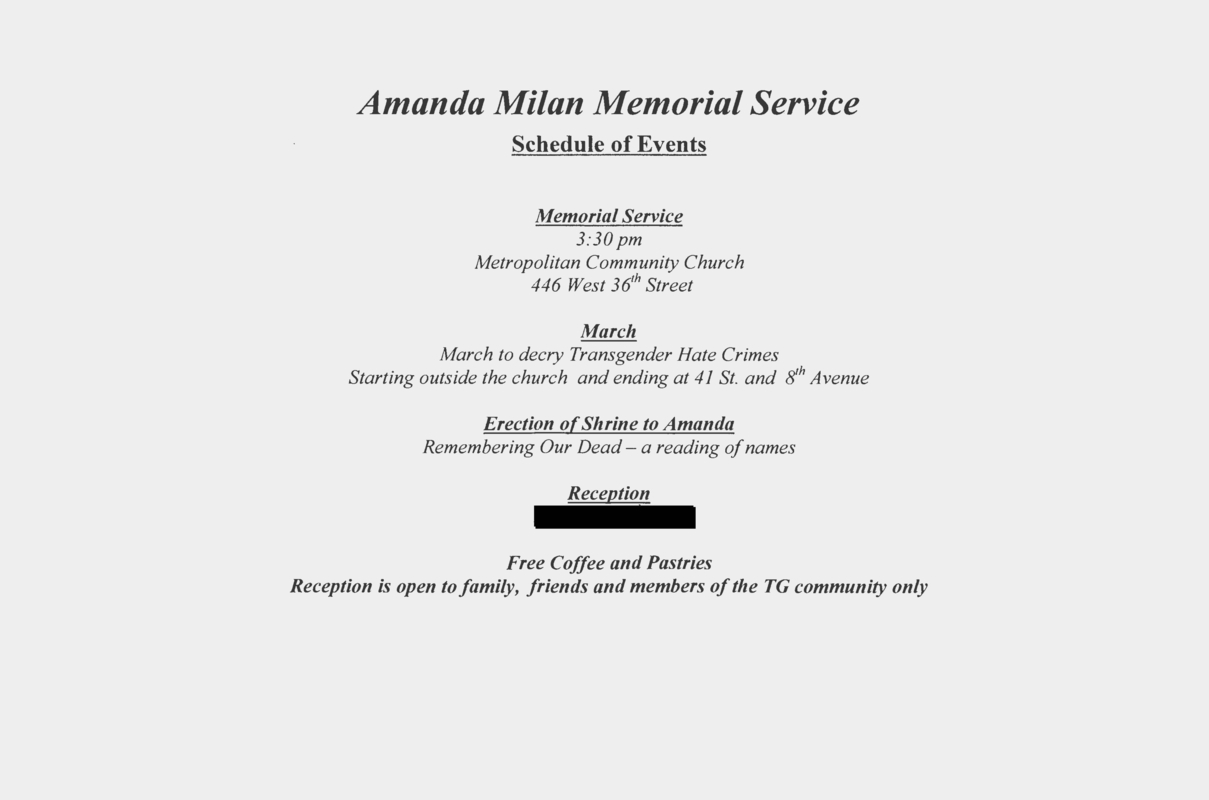
Schedule of events for Amanda Milan’s memorial. Source: Digital Transgender Archive.
History
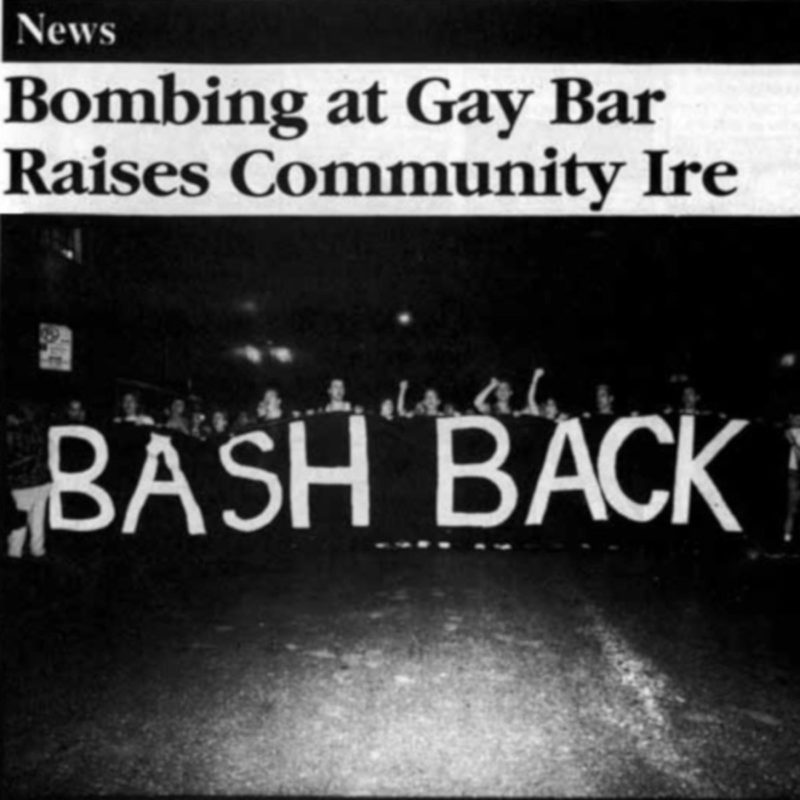
Amanda Milan (1975-2000) was an aspiring fashion designer from Chicago who was living in Manhattan when she was brutally murdered by three men in a transphobic hate crime on June 20, 2000, days before the New York City Pride March. Milan was a Black transgender sex worker “on the stroll” near the Port Authority Bus Terminal at West 42nd Street and Eighth Avenue with friends when a man began hurling hate speech towards her. As she walked away from the altercation, Milan’s throat was slashed and she was left bleeding on the sidewalk in front of a number of witnesses and bystanders, most of whom did nothing to help her.
Transgender groups in the city were outraged. Notably, trans activist pioneer Sylvia Rivera was involved in the planning of a memorial and march in Milan’s honor. On July 23, 2000, the Memorial for Amanda Milan and March Against Anti-Trans Violence was held, drawing around 300 people at the Metropolitan Community Church, which secured the permit for the march and where Rivera was an active member. Milan’s friend Octavia St. Laurent, a model and prominent figure in the city’s 1980s ballroom scene, gave a eulogy.
Death will not be the last word for Amanda Milan.
Following the memorial, attendees marched to 42nd Street and Eighth Avenue, the location of Milan’s murder. St. Laurent noted that the size of the gathering was the largest she had seen for a transgender person. In a speech given to the Latino Gay Men of New York (LGMNY) in June 2001, Rivera reflected on the limited support from the gay community, especially when compared to the outpouring for Matthew Shepard, a young gay man who was beaten and left to die in Laramie, Colorado, in 1998. A week after his death, the Matthew Shepard Political Funeral March in New York City drew over 4,000 attendees, during which the NYPD arrested over 100 protesters, including Rivera.
Milan was further honored during the second annual Transgender Day of Remembrance in November 2000, the first with demonstrations taking place throughout the United States. At the time, members of the New York Association for Gender Rights Advocacy (NYAGRA) organized a forum on hate crimes at Judson Memorial Church in Greenwich Village. The forum focused on amending New York State’s recently enacted Hate Crimes Act of 2000 to include gender identity as a protected category (however, this would not occur until 2019). Milan and 16 other transgender people murdered in the previous year were honored at the forum.
In January 2001, to monitor the three separate trials of Milan’s killers and to organize a vigil, Rivera revived the Street Transvestite Action Revolutionaries (STAR), the activist group she co-founded in 1970 with Marsha P. Johnson, whose death in 1994 was likely the result of transphobic violence. Throughout the spring of 2001, Rivera and STAR, renamed the Street Transgender Action Revolutionaries, organized a number of demonstrations and actions that galvanized the transgender community in New York City even further. Dwayne McCuller, Milan’s killer, pleaded guilty to second-degree murder and was sentenced to 17 and a half years in prison. Eugene Celestine, McCuller’s friend who supplied him with the knife used to stab Milan, was charged with criminally negligent homicide and criminal facilitation. The third man, David Anderson, was charged with hindering prosecution as he aided McCuller in hiding following the crime.
Amanda Milan was neither the first transgender woman to be murdered nor the last, but her killing sparked a movement of transgender people in New York fighting for their rights to life and protection from violence. With the help of NYAGRA, the New York City Council passed the Transgender Rights Bill in 2002. The bill amended the Human Rights Law of the City of New York to explicitly prohibit discrimination in housing, public accommodations, or employment based on gender identity and gender expression (the same law that had been amended in 1986, after 15 years of advocacy, to include “sexual orientation” as a protected class).
Entry by Julia Bucci, project consultant (November 2025).
NOTE: Names above in bold indicate LGBT people.
Sources
“Celebration of the Life of Amanda Milan,” Program, Digital Transgender Archive.
C. J. Chivers, “Metro Briefing: Manhattan: Times Square Killing,” New York Times, June 21, 2000.
Gwendolyn Ann Smith, “Day of Remembrance: 14 Cities,” Transgender Tapestry, Issue 93 (Spring 2001).
Nina Siegal, “Watershed of Mourning at the Border of Gender,” New York Times, July 24, 2000. [Source of pull quote]
“Program for Amanda Milan’s Memorial Service,” Digital Transgender Archive.
“S.T.A.R. Resurrected – Will Organize Amanda Milan Vigil in New York,” TGSF Newsletter, Vol. 20, Issue 4, (April 2001).
Sylvia Rivera, “Queens in exile, the forgotten ones.” Genderqueer: Voices From Beyond the Sexual Binary, (2002), 67-85.
Sylvia Rivera, “Sylvia Rivera’s Talk at LGMNY, June 2001 Lesbian and Gay Community Services Center, New York City,” Centro Journal, (Spring 2007), 116-123.
Vinette K. Pryce, “Rainbow of solidarity for slain transsexual woman,” New York Amsterdam News, August 2, 2000.
Do you have more information about this site?
This project is enriched by your participation! Do you have your own images of this site? Or a story to share? Would you like to suggest a different historic site?