Berenice Abbott & Elizabeth McCausland Residence & Studio
overview
Noted photographer Berenice Abbott lived here with her partner, the influential art critic Elizabeth McCausland, from 1935 to 1965.
Abbott is best known for her 1930s photographs featured in the iconic book Changing New York, but was also a sought-after portraitist.
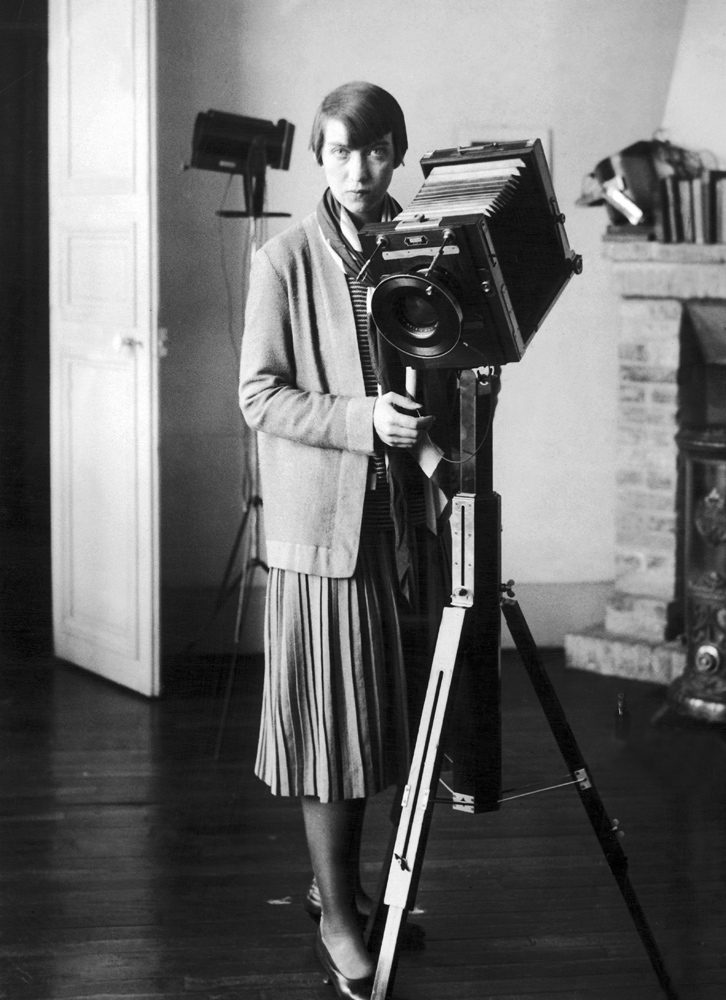
Berenice Abbott in an undated photo. Photographer and source unknown.
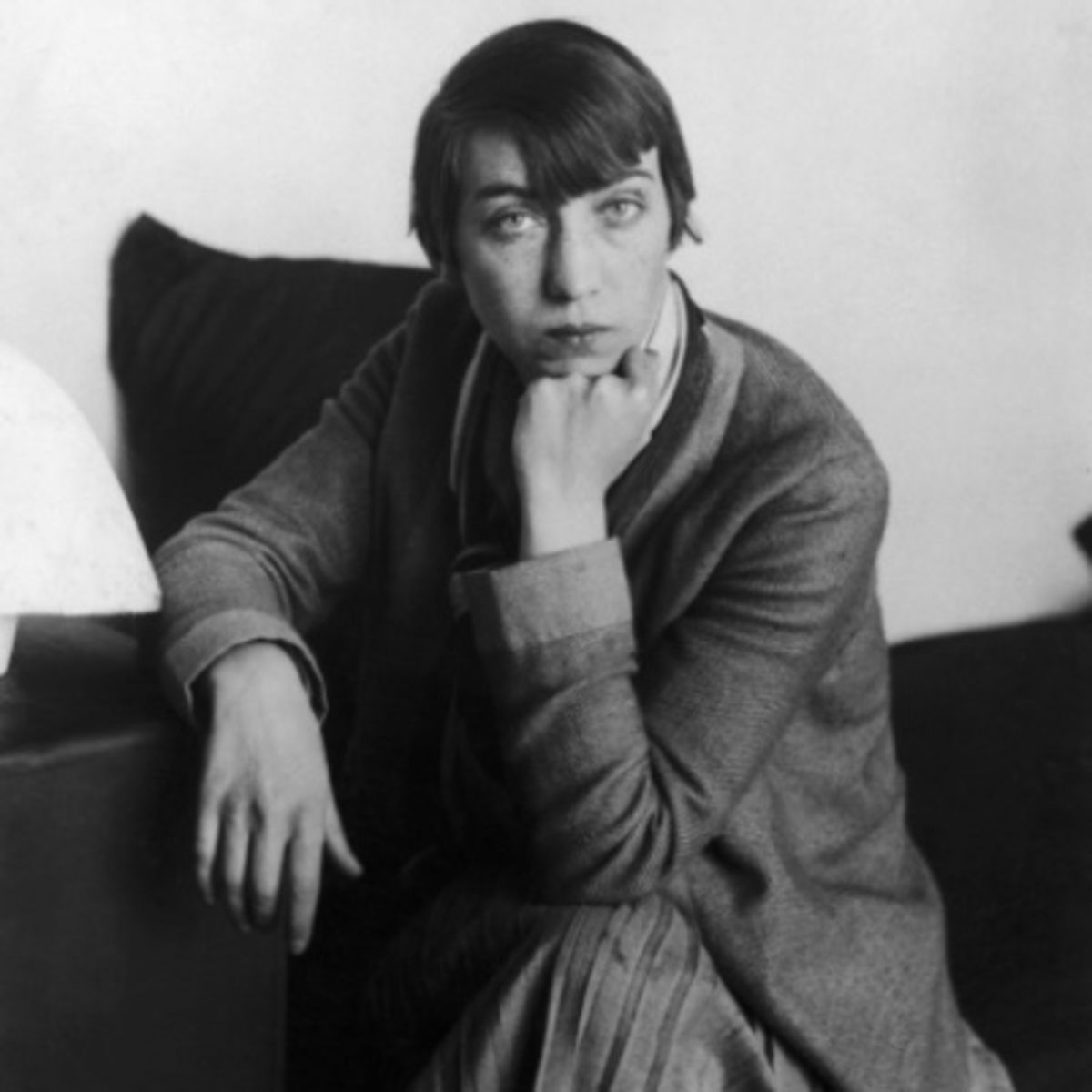
Berenice Abbott in an undated photo. Photographer and source unknown.
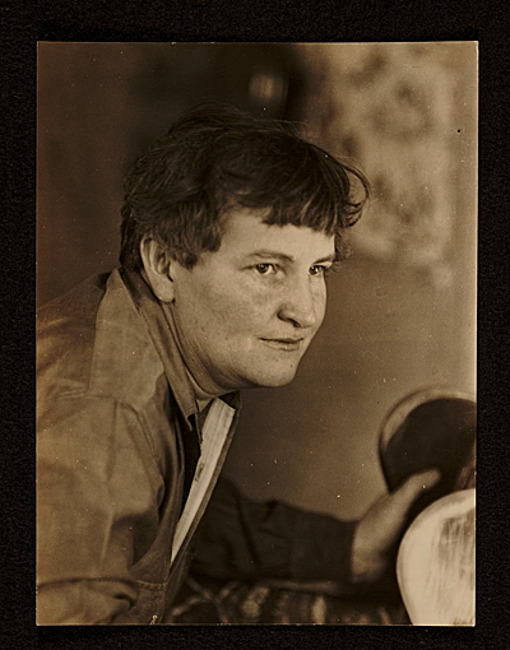
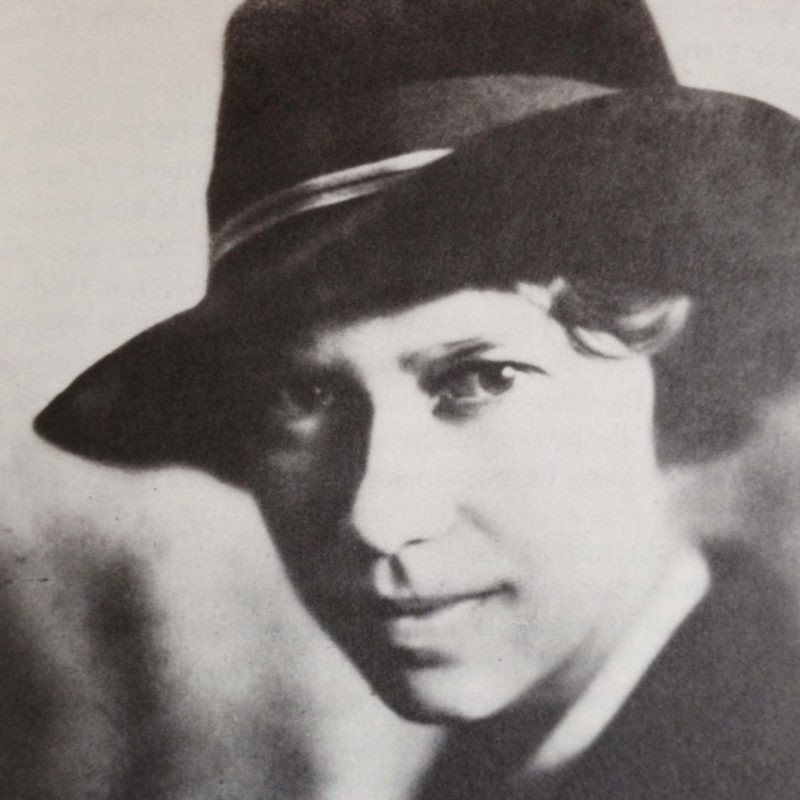
Elizabeth McCausland, January 1935. Photo by Berenice Abbott. Source: Archives of American Art.
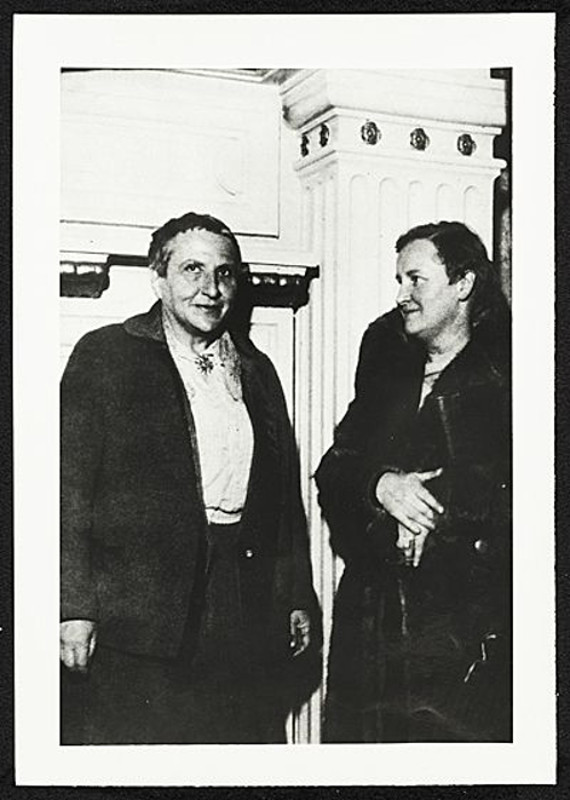
Gertrude Stein and Elizabeth McCausland, 1934. Photographer unknown. Source: Archives of American Art.
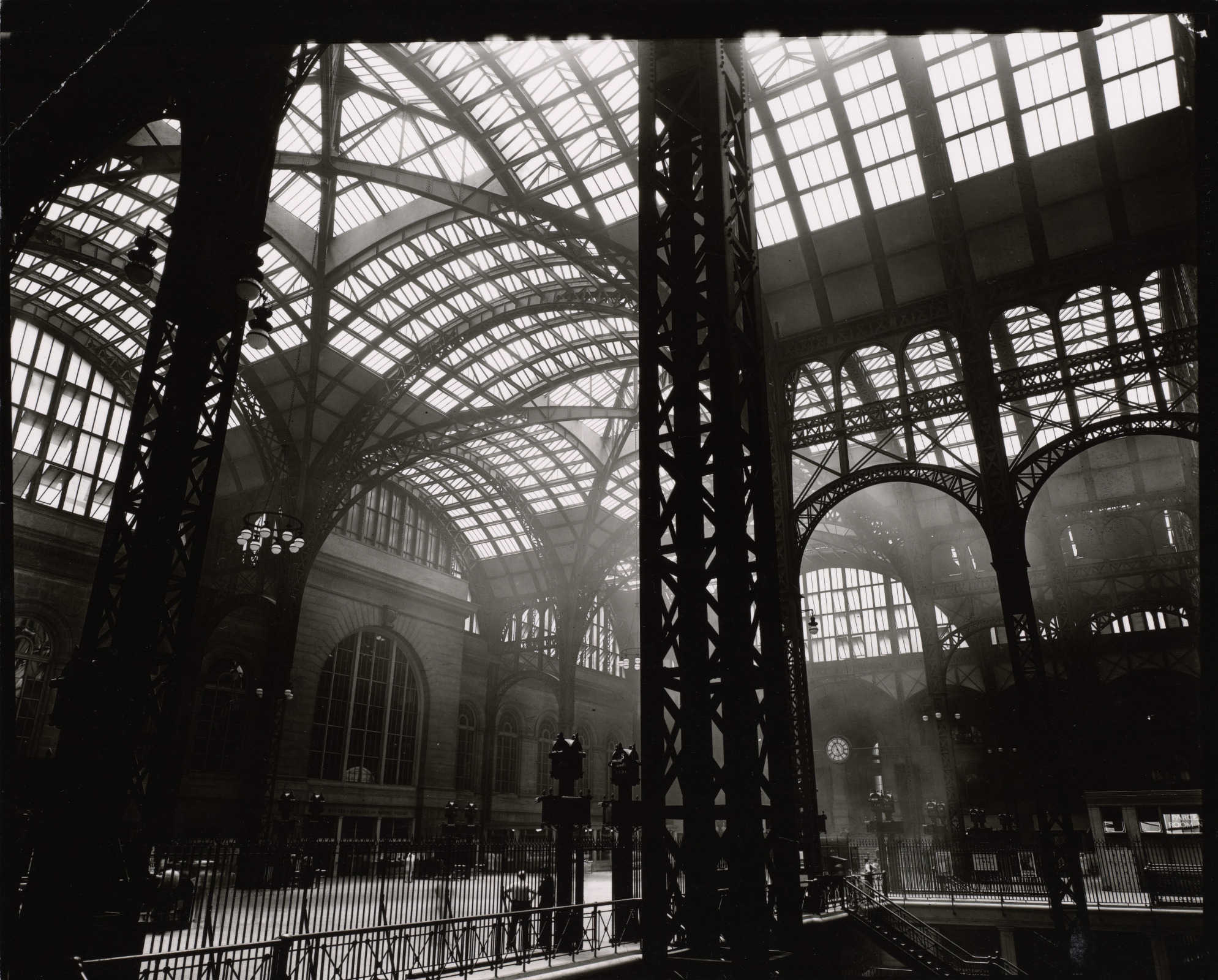
The original Penn Station (later demolished for Madison Square Garden), 1935. Photo by Berenice Abbott. Courtesy of the New York Public Library.
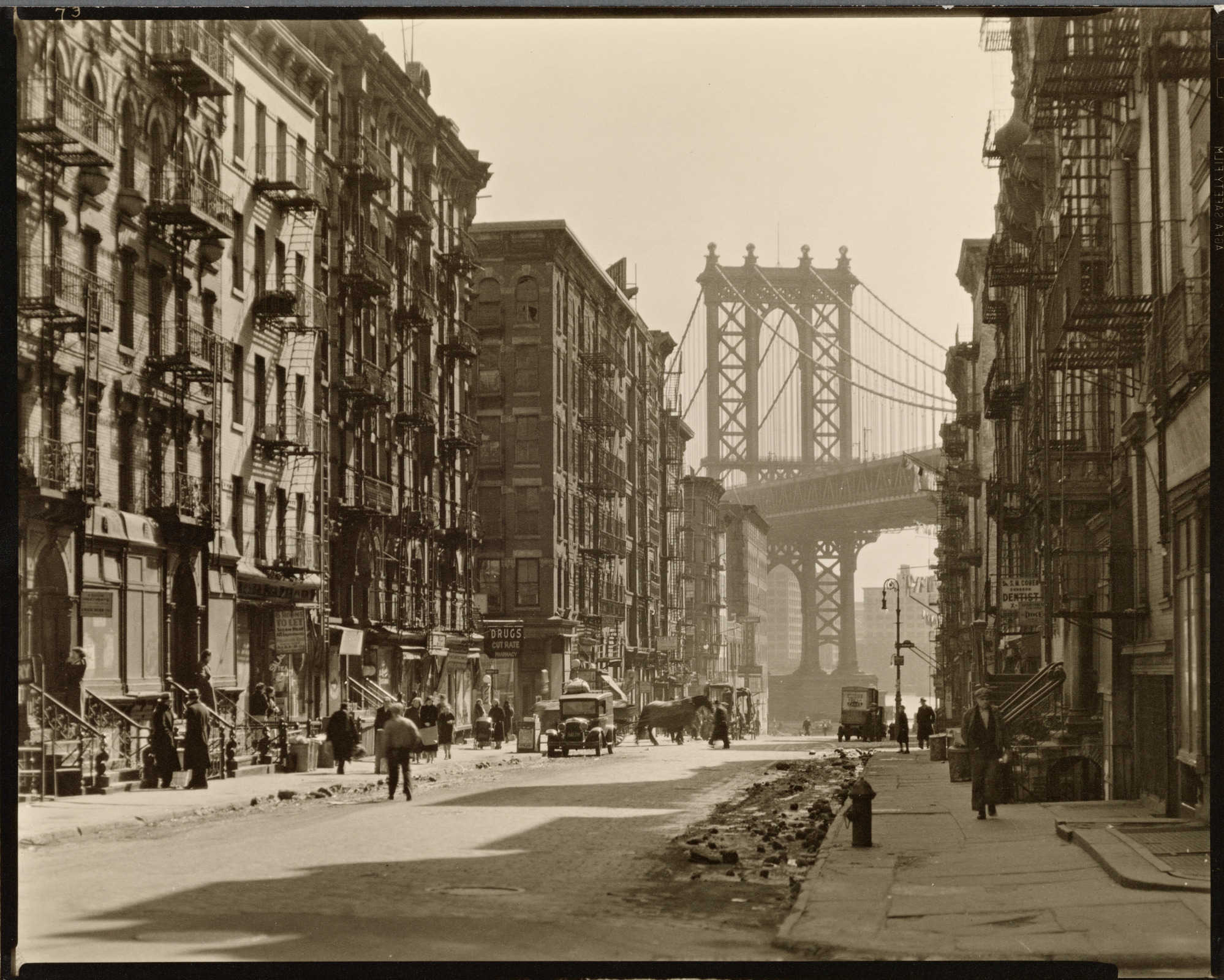
Pike Street and the Manhattan Bridge in lower Manhattan, 1936. Photo by Berenice Abbott. Courtesy of the New York Public Library.
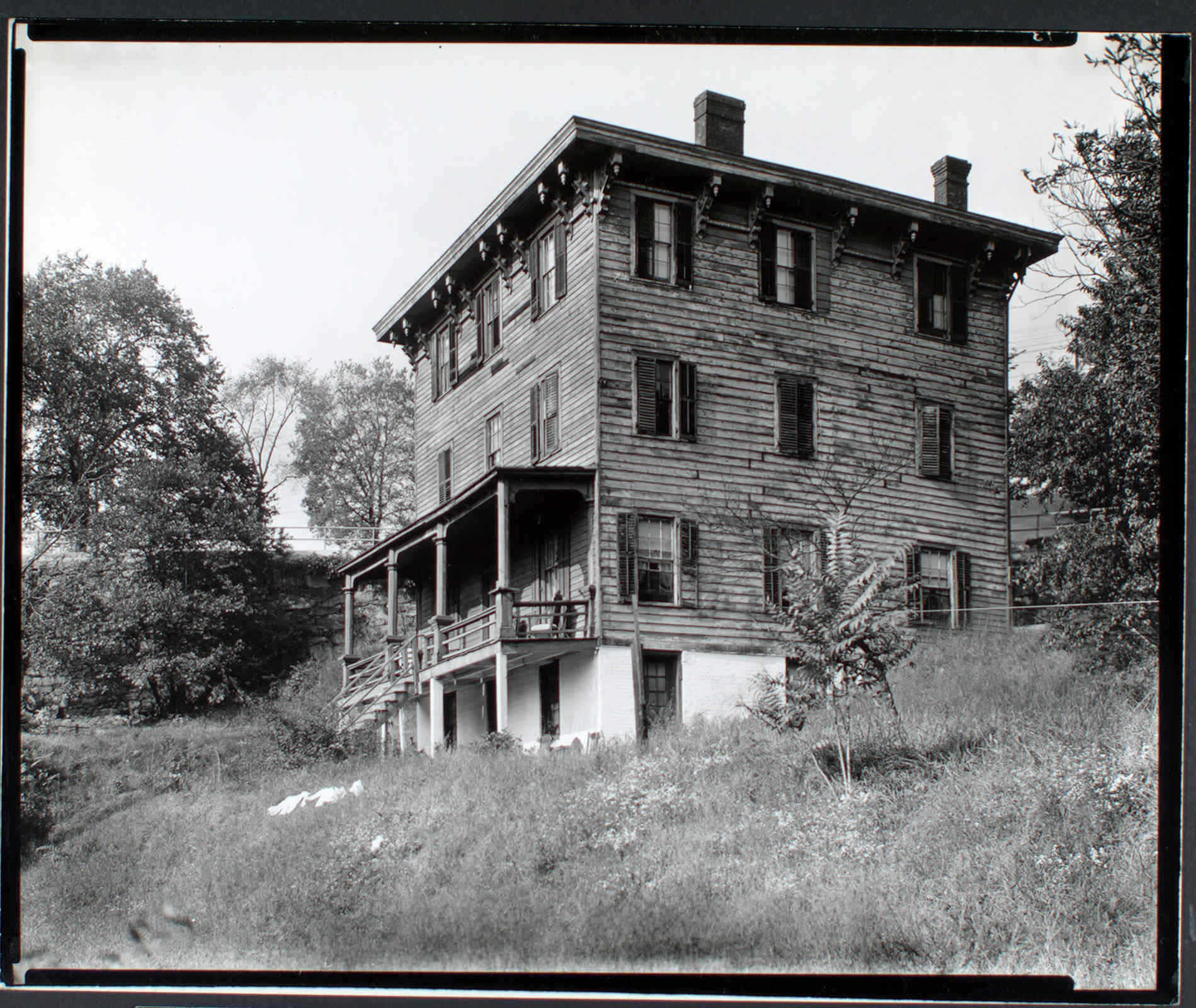
2505 Palisade Avenue, Spuyten Duyvil, Bronx, 1935. Photo by Berenice Abbott. Courtesy of the New York Public Library.
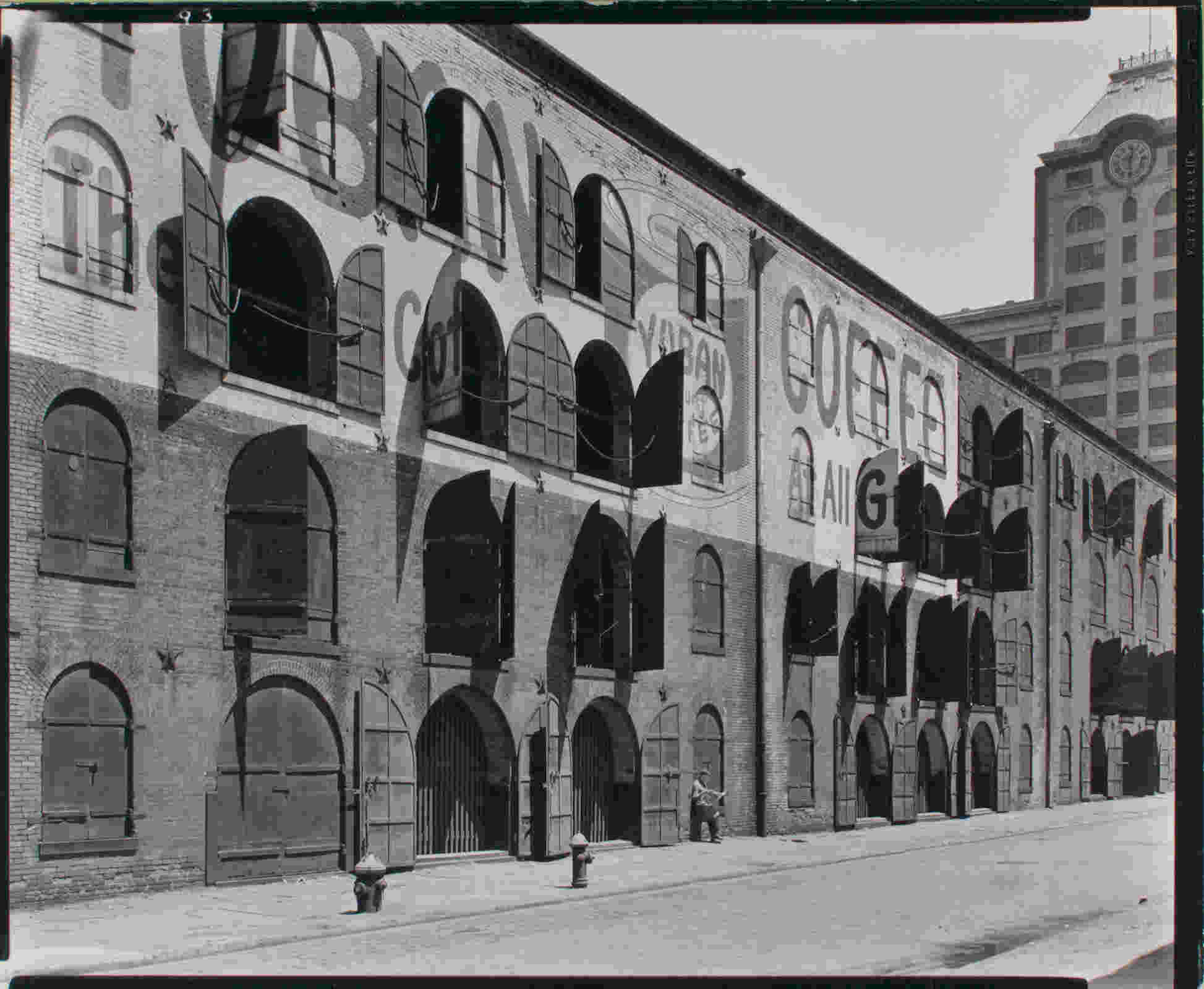
A Brooklyn warehouse in the area now known as DUMBO, 1936. Photo by Berenice Abbott. Courtesy of the Museum of the City of New York. 92.21.3
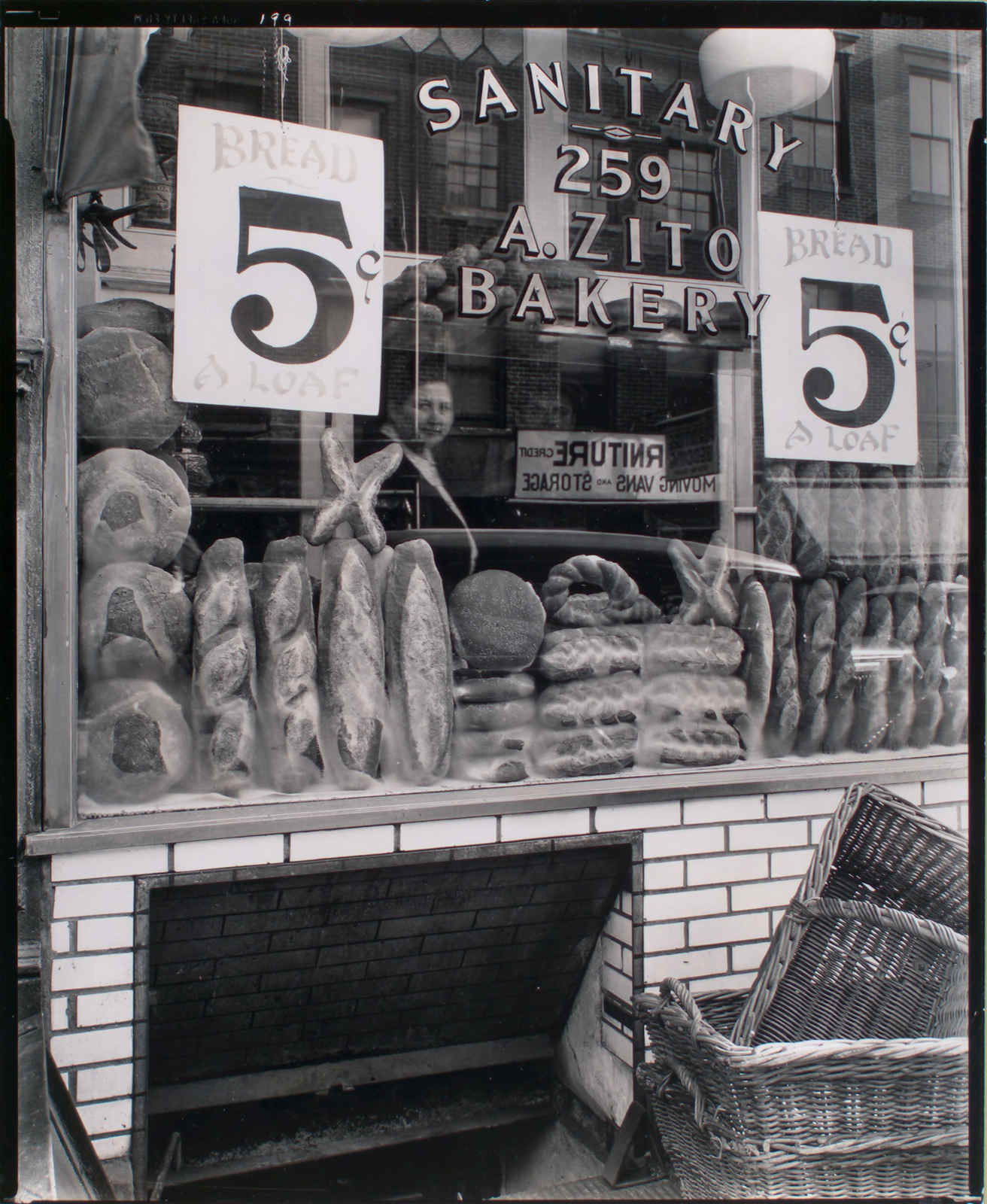
Zito’s Bakery, 259 Bleecker Street in Greenwich Village, 1937. Photo by Berenice Abbott. Courtesy of the New York Public Library.
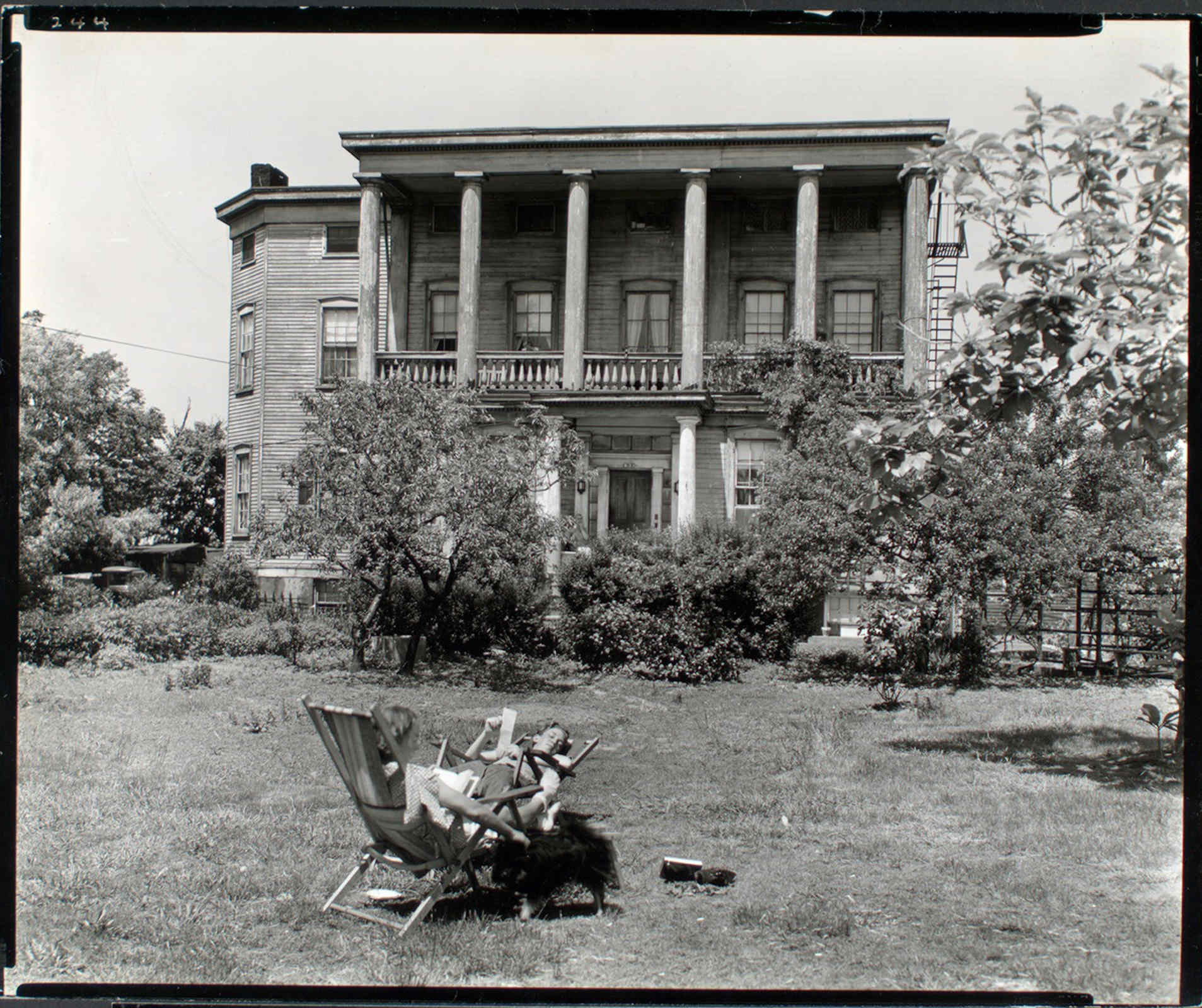
805 27th Avenue, Astoria, Queens, 1937. Photo by Berenice Abbott. Courtesy of the New York Public Library.
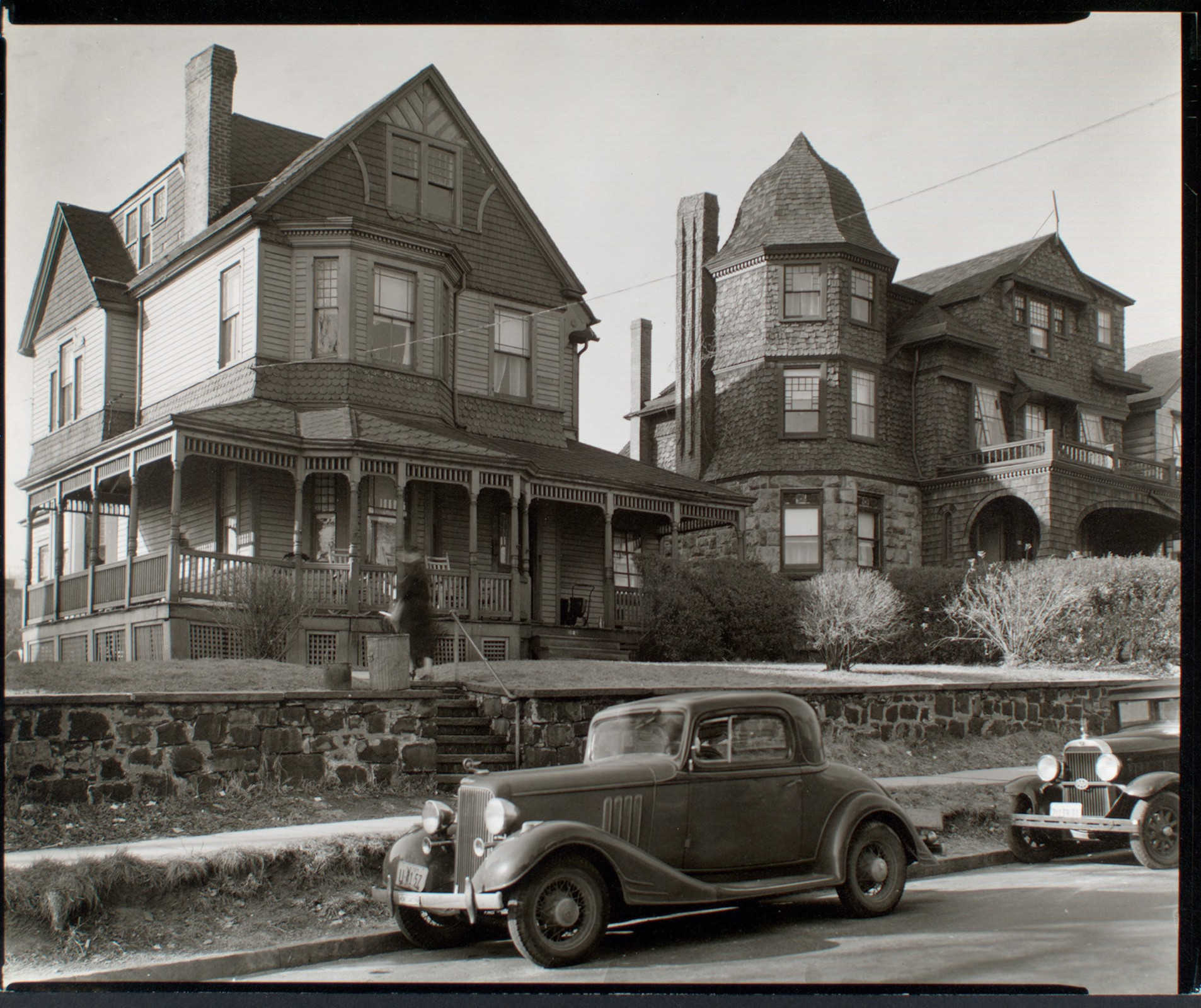
340-348 St. Mark’s Place on Staten Island, 1937. Photo by Berenice Abbott. Courtesy of the New York Public Library.
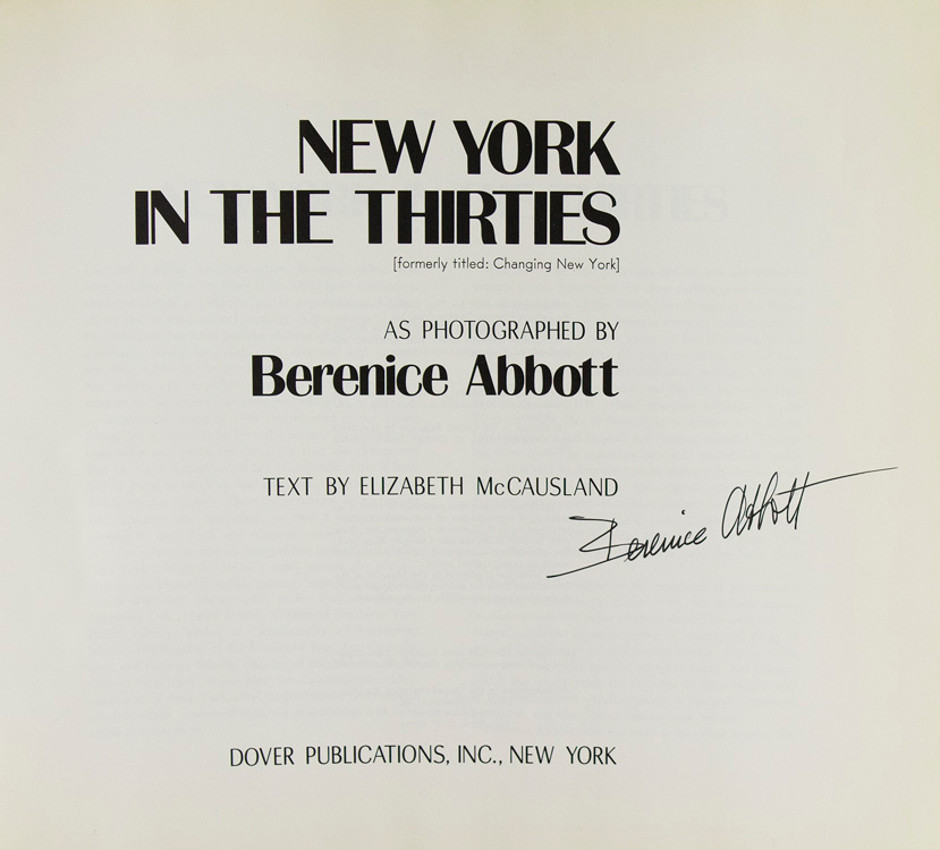
Title page of "New York in the Thirties [formerly titled Changing New York]". Source: James Cummins Bookseller website.
History
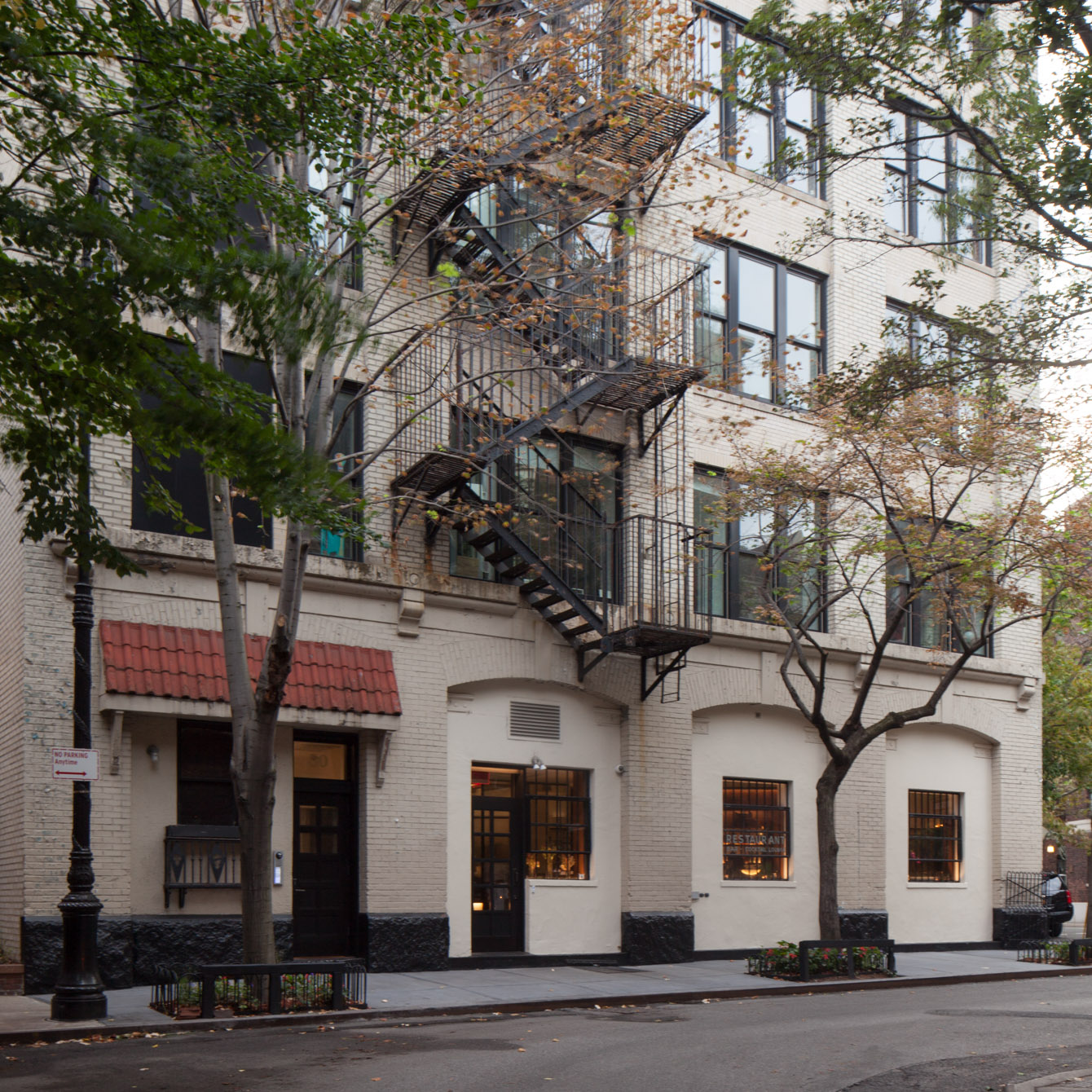
From 1935 to 1965, photographer Berenice Abbott (1898-1991) and art historian and art critic Elizabeth McCausland (1899-1965) lived and worked in two loft apartments they shared on the fourth floor of this loft building in Greenwich Village.
Abbott was born with the first name “Bernice” in Springfield, Ohio, moving to New York in her late teens to take part in the city’s bohemian life. In 1921, she traveled to Europe, studying art in Berlin and Paris. In the latter city, she met writer Djuna Barnes who suggested that she change the spelling of her name to the French “Berenice.” In 1923, she became the darkroom assistant to portrait photographer Man Ray and, as she said, she took to photography “like a duck to water.” Abbott’s independent career apparently began in 1926 when bisexual art collector Peggy Guggenheim called Man Ray asking for an appointment to have her portrait photographed by Abbott. Ray was so jealous of this request that he fired Abbott. Feeling guilty, Guggenheim funded Abbott’s purchase of her own camera equipment. She soon became a popular portrait photographer, often of artists, such Jean Cocteau and Marie Laurencin. Many of Abbott’s subjects were American expats, including many who were lesbian or bisexual such as Djuna Barnes; artist Thelma Wood (one of Abbott’s first lovers, who left her for Barnes); New Yorker writer Janet Flanner; Jane Heap and Margaret Anderson, the founders in 1914 of the avant-garde literary magazine The Little Review; Sylvia Beach, founder of Paris’s Shakespeare and Company bookshop; and poet Edna St. Vincent Millay.
In 1925, Abbott met the great photographic chronicler of the streets and buildings of Paris, Eugène Atget. He had an enormous influence on her career. Following his death, Abbott acquired several thousands of his prints and negatives which she eventually sold to the Museum of Modern Art. She wrote the text to several books about Atget.
On what was intended as a brief visit to New York in 1929, Abbott recognized that the rapidly changing and modernizing city would provide a rich subject for photography and she decided to leave Paris. Like Atget, her photographs of New York are carefully composed, straightforward, realistic images that record old and new buildings, and the diverse architecture and social life of the city. In 1934, Abbott had her first solo exhibition, at the Museum of the City of New York. Among the positive reviews was one in the Springfield [Massachusetts] Republican by Elizabeth McCausland. They met soon after and started a relationship that lasted thirty years, until McCausland’s death.
In 1935, Abbott received funding from the Federal Arts Project for her New York City work. Many of the 305 resulting images were included in a 1937 Museum of the City of New York exhibition and were published in Changing New York (1939 with subsequent editions). Her New York Times obituary notes that she
provided an invaluable historical record of the physical appearance of the city at a time when it was undergoing rapid transformation. … Her pictures…provide a remarkably thorough record of the city in all its diversity.
The book was to include McCausland’s socially informed captions, but were too controversial for the publisher and were rejected. Ten years later, Abbott published a related volume, Greenwich Village: Today and Yesterday.
In the 1940s, Abbott began teaching at the progressive New School for Social Research and wrote several how-to photography books, including A Guide to Better Photography (1941) and The View Camera Made Simple (1948). Her attention increasingly turned to science photography, noting that “we live in a world made by science,” but we do not appreciate it. She approached science photography with the same sense of realism that she had brought to her urban streetscapes. She became the photo editor for Science Illustrated magazine and was commissioned to produce photographs for science textbooks, notably for physics. In order to undertake much of her science photography Abbott invented new photographic technology for both taking and printing the images. Among her pioneer photographs are those of waves in a tray of water, penicillin mold, beams of light, the impact of magnetism, and the arcs made by a bouncing ball.
In order to pay her bills, Abbott also accepted commissions for photographs to accompany books and exhibitions, notably the photographs for architectural historian Henry-Russell Hitchcock’s 1936 MoMA exhibition and subsequent book, The Architecture of H. H. Richardson and His Time and his 1932 Wesleyan University exhibition of American pre-Civil War vernacular urban architecture.
Kansas-born McCausland graduated from Smith College and worked as an art critic for the Springfield newspaper and for magazines such as The New Republic and as an art historian. She also taught at Barnard College, the New School for Social Research, and Sarah Lawrence College. In addition to providing the text for Changing New York and other books, she authored numerous articles, books, and catalogs, including monographs on American artists Marsden Hartley, Charles Hawthorne, George Inness, and Alfred Maurer.
Following McCausland’s death, Abbott moved to Maine at the recommendation of her doctor.
Entry by Andrew S. Dolkart, project director (November 2025).
NOTE: Names above in bold indicate LGBT people.
Building Information
- Architect or Builder: William H. Paine
- Year Built: 1912
Sources
Bonnie Yochelson, Berenice Abbott: Changing New York (New Press and Museum of the City of New York, 1997).
Charles Hagen, “Berenice Abbott, 93, Dies; Her Photographs Captured New York in Transition,” The New York Times, December 11, 1991. [source of pull quote]
“Elizabeth McCausland Papers,” Archives of American Art, s.si.edu/2eiVOXs.
Grace Hanselman, curator, “Berenice Abbott’s Modern Lens,” Clark Art Institute, 2025.
Teri Weissman, The Realism of Berenice Abbott: Documentary Photography and Political Action (University of California Press, 2011).
Do you have more information about this site?
This project is enriched by your participation! Do you have your own images of this site? Or a story to share? Would you like to suggest a different historic site?