Beggar Bar
overview
From 1941 to 1945, famed German-Jewish performer Valeska Gert operated the Beggar Bar in Greenwich Village.
Unique as a slice of edgy Weimar era culture in New York and one of the most successful European exile cabarets in the United States, it was popular with a very diverse “outsider” clientele that included LGBTQ and Black individuals and European emigres, as well as prominent entertainers.
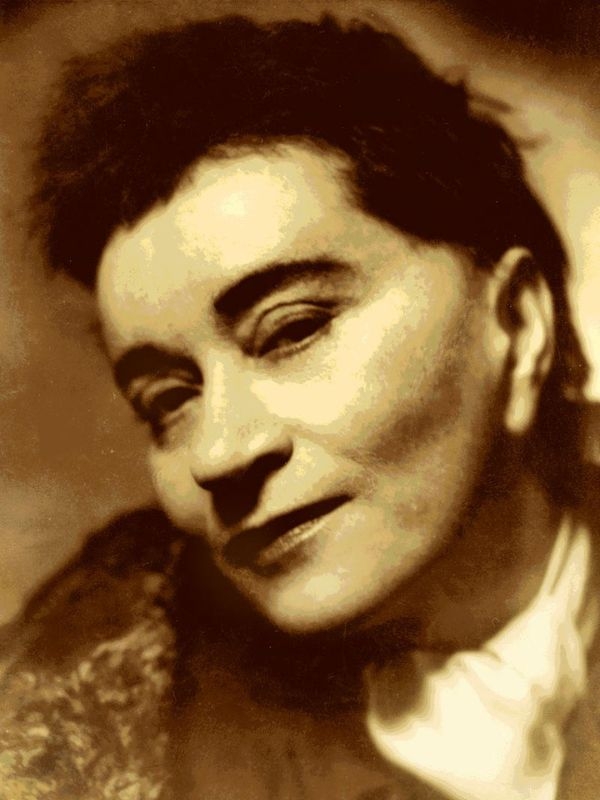
Valeska Gert, n.d. Source: Deutsches Kabarettarchiv.
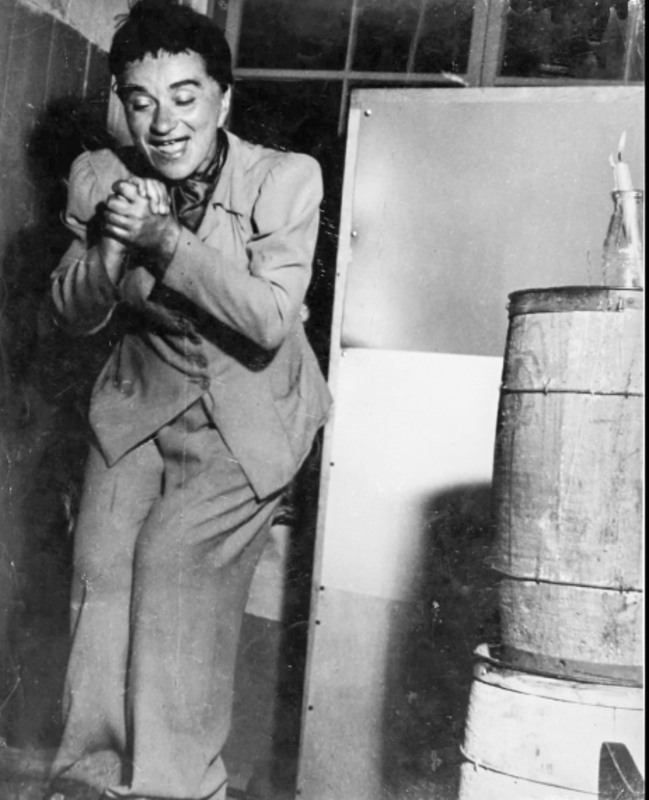
Valeska Gert, 1940s. Photo by Lisette Model. Source: Brucesilverstein.com.
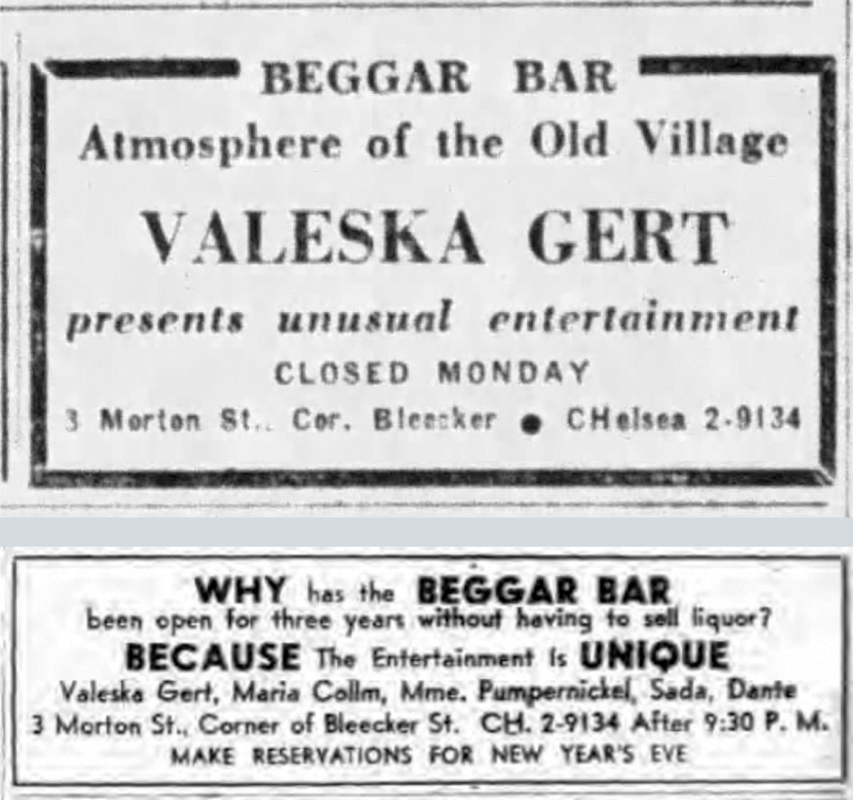
(upper) Beggar Bar ad, New York Daily World, February 6, 1944. (lower) Beggar Bar ad, New York Post, December 27, 1944.
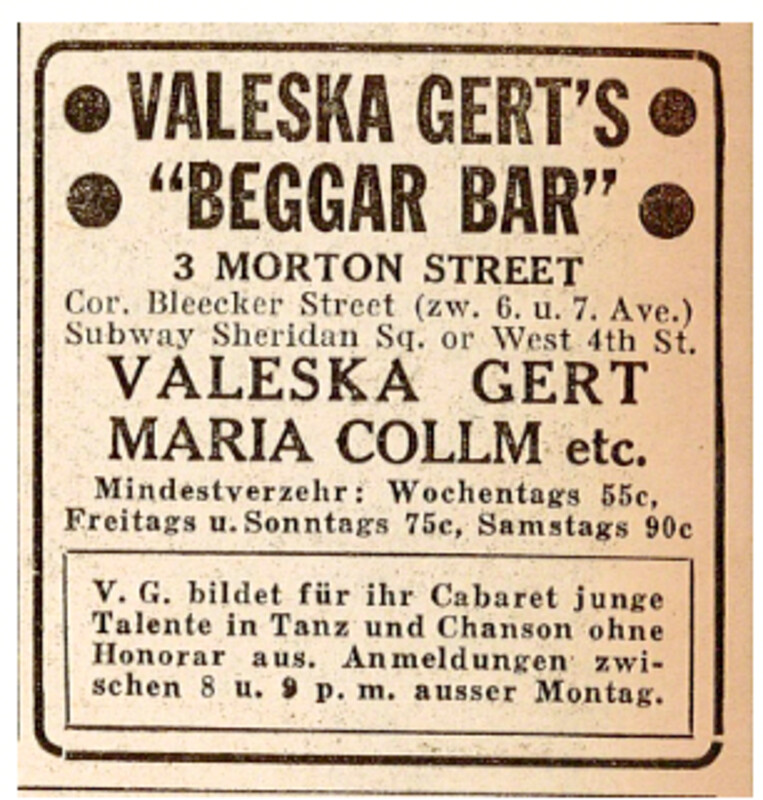
Beggar Bar ad, Aufbau, New York, October 9, 1942.
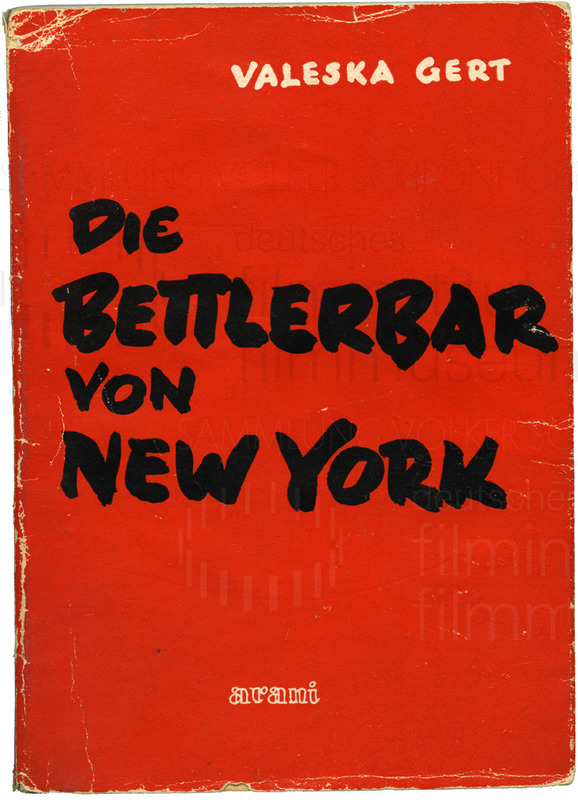
Cover of Die Bettlerbar von New York (The Beggar Bar in New York), by Valeska Gert, 1950. Source: Schloendorff.deutsches-filminstitut.de
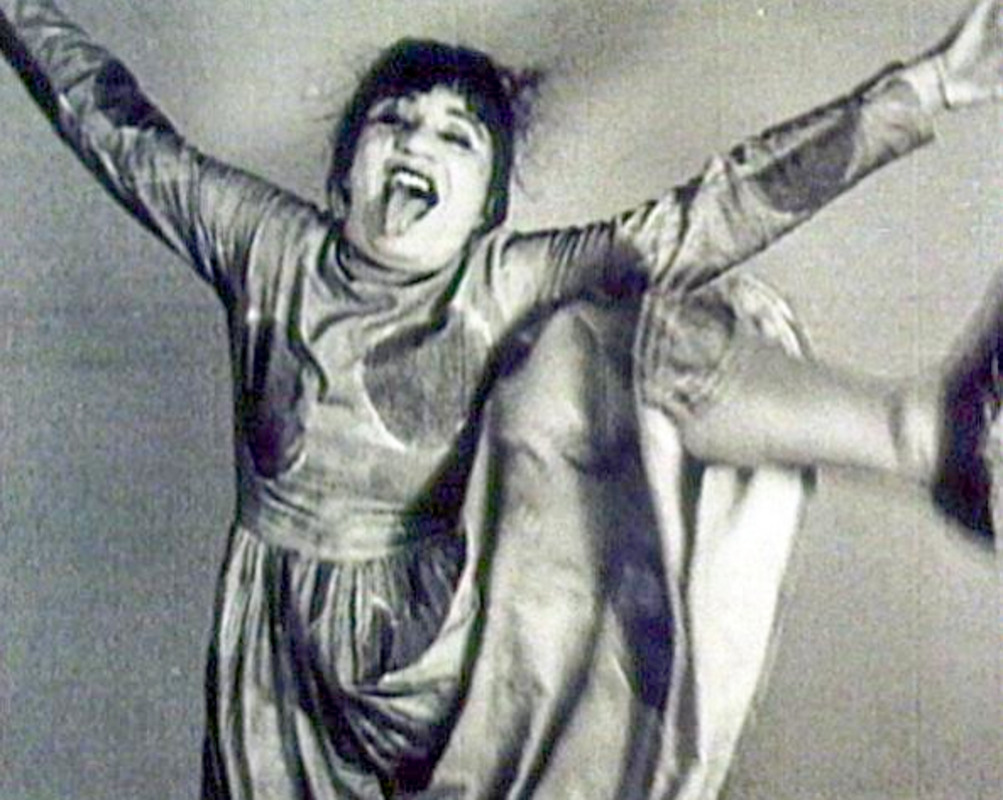
Valeska Gert, c. 1920s. Source: DanteBea.com.
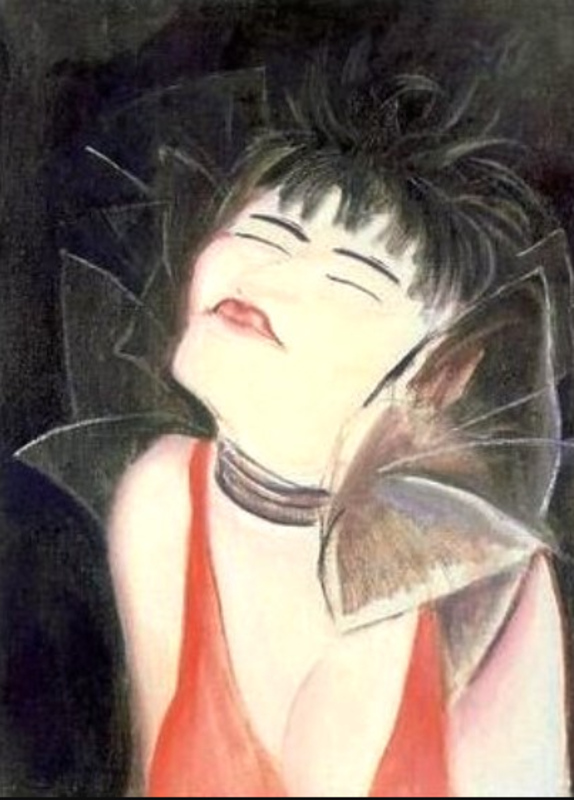
Drawing of Valeska Gert by Jeanne Mammen, 1929. Source: DanteBea.com.
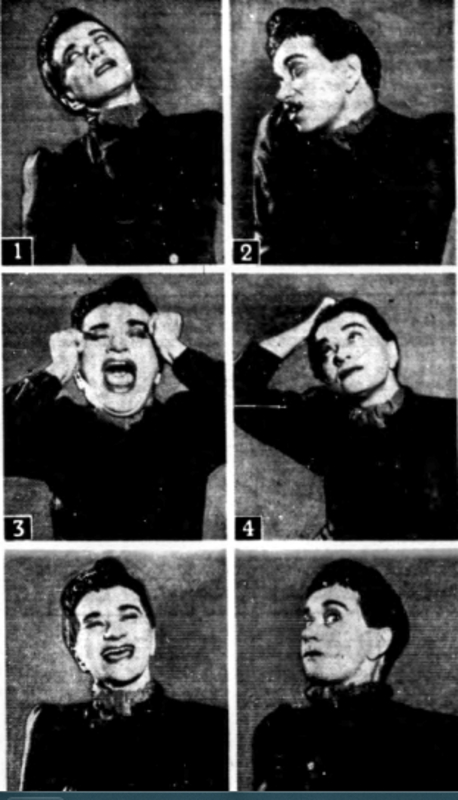
Photographs of Valeska Gert by Wilbert H. Blanche, 1945. Source: PM.
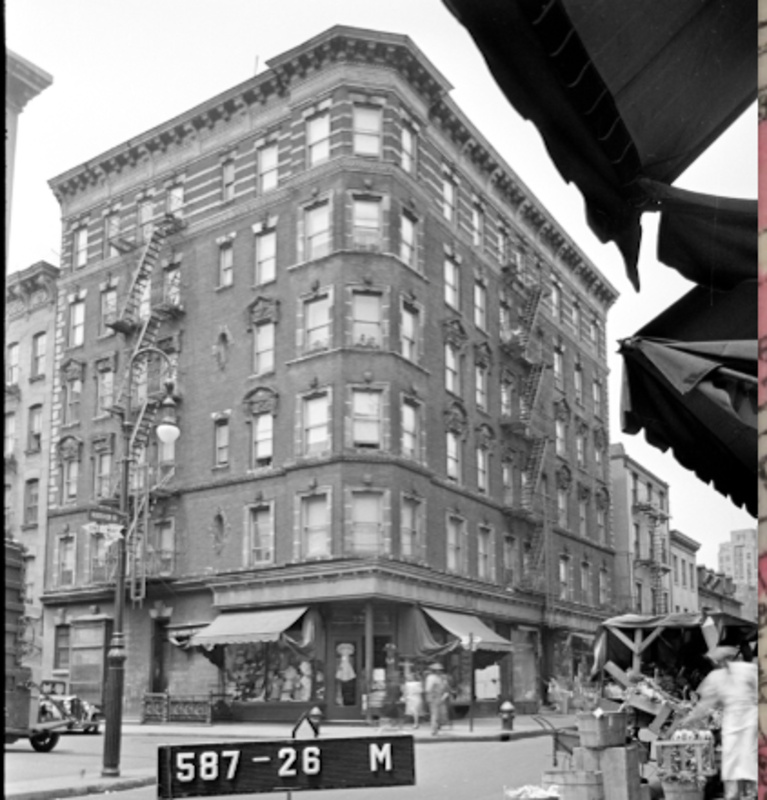
Tax photo of 3 Morton Street, c. 1939. Courtesy of the NYC Municipal Archives.
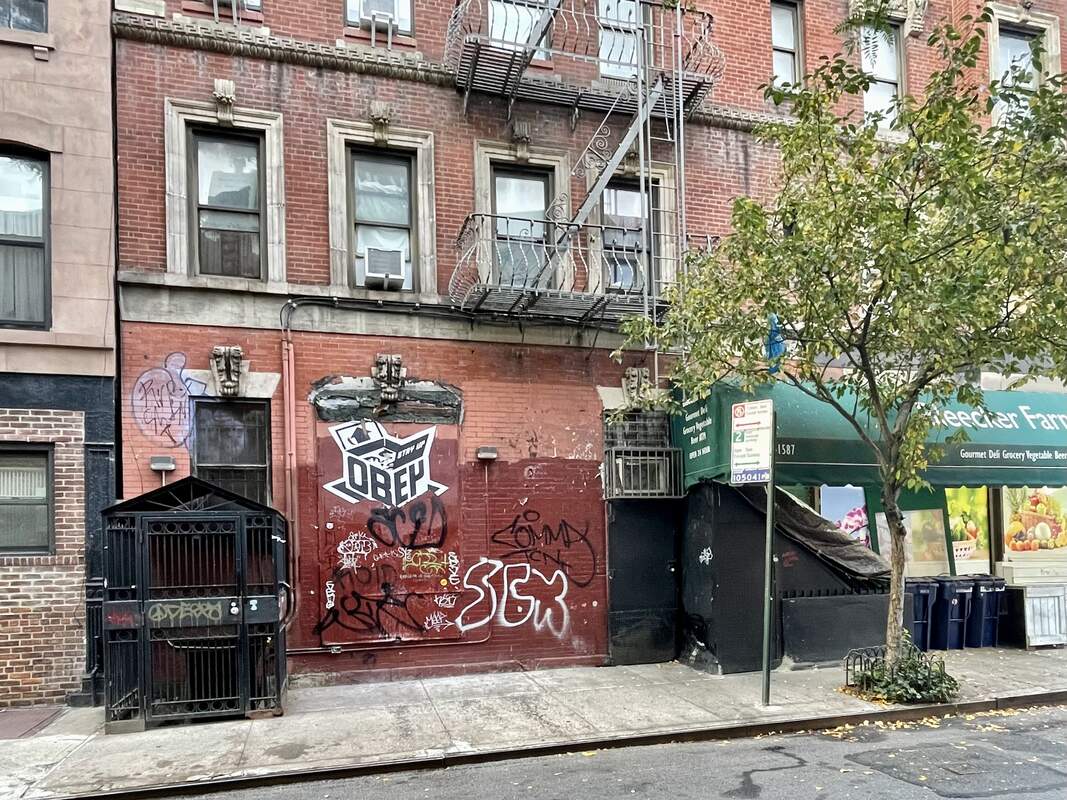
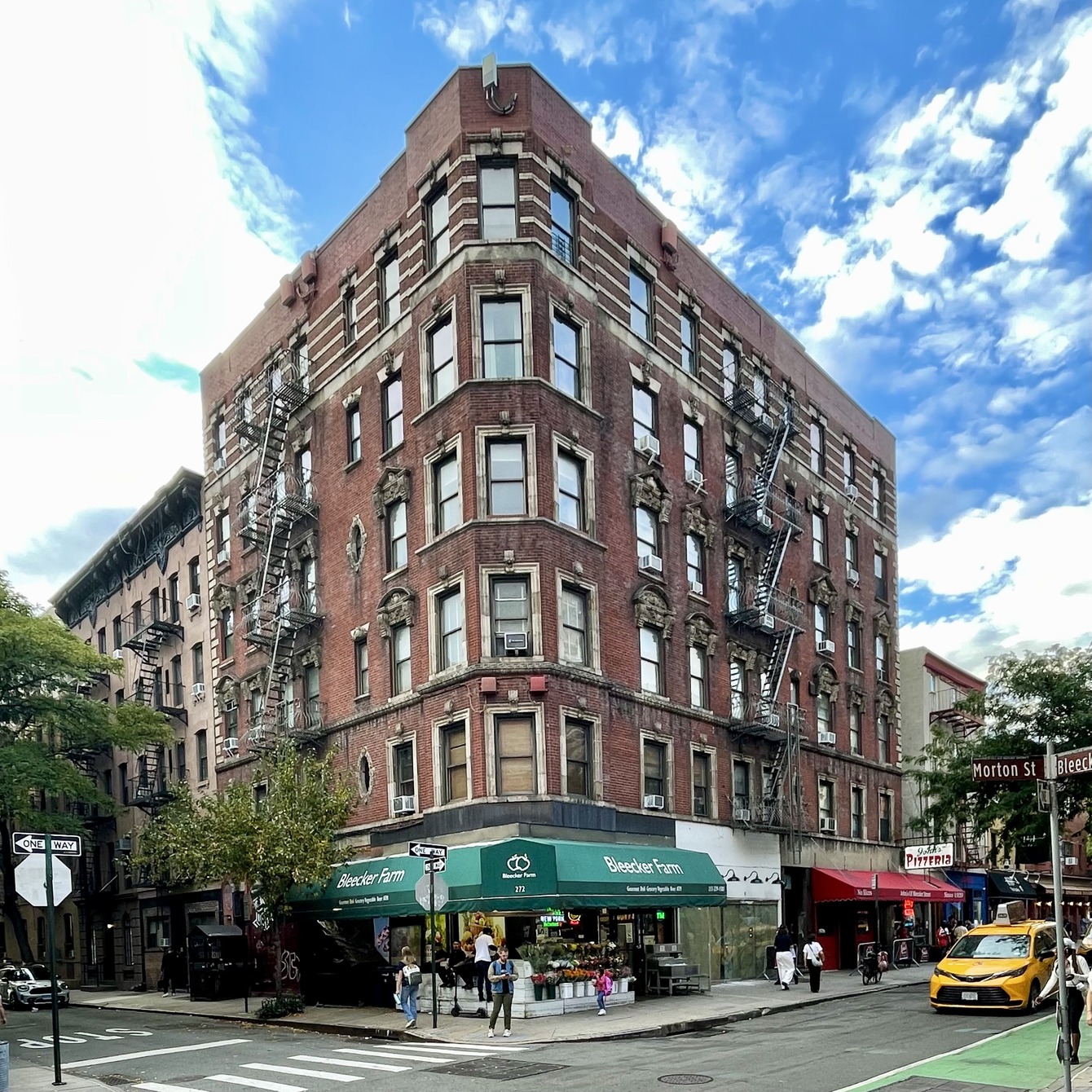
Former entrance to the Beggar Bar, 2026. Photo by Amanda Davis/NYC LGBTQ Historic Sites Project.
History
Valeska Gert (nee Gertrud Valesca Samosch, 1892-1978), evidently bisexual, was a German-Jewish dancer, pantomime and cabaret artist, and actor who became famous during the Weimar era in Berlin, which was noted for its avant-garde artistic and sexual freedom. As a dancer she was known for her radical satirical pieces, and gained a following in Dadaist and Expressionist theater. Gert’s eccentric, abstract, and provocative performance style was intended to intrigue and shock bourgeois audiences. She also appeared in three legendary films directed by G.W. Pabst: Joyless Street (1925), Diary of a Lost Girl (1929), and The Threepenny Opera (1931). In 1933, when the Nazis rose to power, she was banned from performing in Germany as a Jew and for her “degenerate art” and left for London.
Gert attempted to enter the dance world in New York, with a debut in 1936 and at the Cherry Lane Theater in Greenwich Village in 1940, both times mostly panned as mime and dance by critics. She immigrated to the United States in 1939, and moved to Provincetown, Massachusetts, where she was hired to perform at a bar. Struggling playwright Tennessee Williams saw her a number of times and encouraged her to open a cabaret in New York.
In December 1941, Gert opened the Beggar Bar, a cellar cabaret in the heart of Greenwich Village, in a six-story apartment building at 3 Morton Street on the corner of Bleecker Street. Penniless, she cajoled friends and acquaintances for donations of money and furnishings. Gert later wrote “I named the cabaret Beggar Bar, because I had begged for everything in it.” She painted the walls black, and the minimal décor of the space had mismatched tables and chairs, an existing old bar, an old piano, and a small stage. Unfamiliar with New York City bureaucracy, she could not obtain a liquor license, so she only served non-alcoholic drinks and a limited menu
Beggar Bar was unique as a slice of edgy Weimar era culture in New York and became popular with a very diverse “outsider” clientele. Gert wrote in Die Bettlerbar von New York (The Beggar Bar in New York, 1950) that “people came from across the country to see this strange bar and its strange artists.” She told her playwright friend Bertolt Brecht that many gay people came to the Beggar Bar and that she considered them a better audience than heterosexuals. Many European exiles also came to the bar, and Gert welcomed Black patrons, something not common at the time, even in the Village. Among the clientele were such prominent entertainment figures as director Vincent Minelli, actor Patsy Kelly, actor and singer Beverly Roberts, singer Billie Holiday, and Katherine Dunham’s Black dance troupe. Gert claimed that Judy Garland said that “the Beggar Bar is the only cabaret in New York that is worth seeing.”
This venue primarily featured Gert’s boundary-pushing and gender transgressive performances, which featured highly distorted facial expressions and caricatures of social constructs. Writer James J. Conway opined that “Gert could be by turns grotesque, intense, mocking, pathetic or furious, performing with an anarchic intensity and artistic fearlessness.” Beggar Bar also included other émigré and American talent, and staff that she hired were also expected to perform. Tennessee Williams for a short time worked for tips and recited verse (he was fired for refusing to pool his tips). Gert exerted a huge influence on the creation of what is usually considered the oldest American experimental theater troupe, The Living Theater. In 1943, Gert commandeered a 17-year-old Judith Malina, who had chanced upon the bar, to become her hat-check girl, and she worked and sang there for two years. In 1947, Malina with husband Julian Beck, both bisexuals, founded the theater.
Beggar Bar was widely advertised in New York’s German and English newspapers, and nightlife columnists covered it frequently. Virginia Forbes wrote in the New York Sun in 1943 that it was a “quaint, unpretentious little bistro… Night life rarely offers such a unique spot.” Also in 1943, Jack Gaver in the Times Herald wrote that “The Beggar Bar is unusual even for the Village, where more strange things have been seen over a long period of years.” Despite it being one of the most successful European exile cabarets in the United States, it closed in February 1945 after police revoked its cabaret permit.
Gert moved back to Provincetown in 1946, reunited with Tennessee Williams there, and for a time ran a new cabaret called Valeska’s. She returned to Europe in 1947. In 1951, she opened Ziegenstall (“Goat’s Stable”), a summer cabaret in northern Germany that became a leading European lesbian spot.
Entry by Jay Shockley, project director (October 2026).
NOTE: Names above in bold indicate LGBT people.
Building Information
- Architect or Builder: George F. Pelham
- Year Built: 1903-04
Sources
“Around Town: Getting Drunk on Valeska Gert’s Art,” PM, January 15, 1945, 13.
Jack Gaver, “Big Town Medley,” Times Herald, December 1, 1943, 13.
James J. Conway, “The grotesque burlesque of Valeska Gert,” Strange Flowers (blog), bit.ly/4hJsHhL, January 11, 2010.
Judith Malina, “A Memoir of Valeska Gert and Beggar Bar,” in PAJ: A Journal of Performance and Art, vol. 41, no. 3 (September 2019), 1-16.
Karen A. Mozingo, “Crossing the Borders of German and American Modernism: Exile and Transnationalism in the Dance Works of Valeska Gert, Lotte Goslar, and Pola Nirenska,” PhD diss., (Ohio State University, 2008), 37-78.
Kate Elswit, “Back Again? Valeska Gert’s Exiles,” in New German Dance Studies (Champaign: University of Illinois Press, 2012), 113-129.
Kristen M. Hylenski, “Valeska Gert’s Performances of the Self,” in Colloquia Germanica, vol. 42, no. 4 (2009), 289-306.
Louise Mitchell, “Disappointing Dance Recital,” Daily Worker, December 9, 1936, 7.
Sheer Ganor, “Queer Dis/placement,” in Frankel Institute Annual (2025), 20-22.
“Valeska Gert,” Wikipedia, last modified June 14, 2026, bit.ly/4dRCfpz.
“Valeska Gert Now in New York Cabaret,” Daily World, February 1, 1942, 7.
Virginia Forbes, “Valeska Gert’s Beggar Bar in the Village is a Unique Night Spot,” New York Sun, October 26, 1943.
Virginia Mishnun, “The Dance: Valeska Gert in American Debut,” Brooklyn Daily Eagle, December 7, 1936, 9.
Do you have more information about this site?
This project is enriched by your participation! Do you have your own images of this site? Or a story to share? Would you like to suggest a different historic site?